
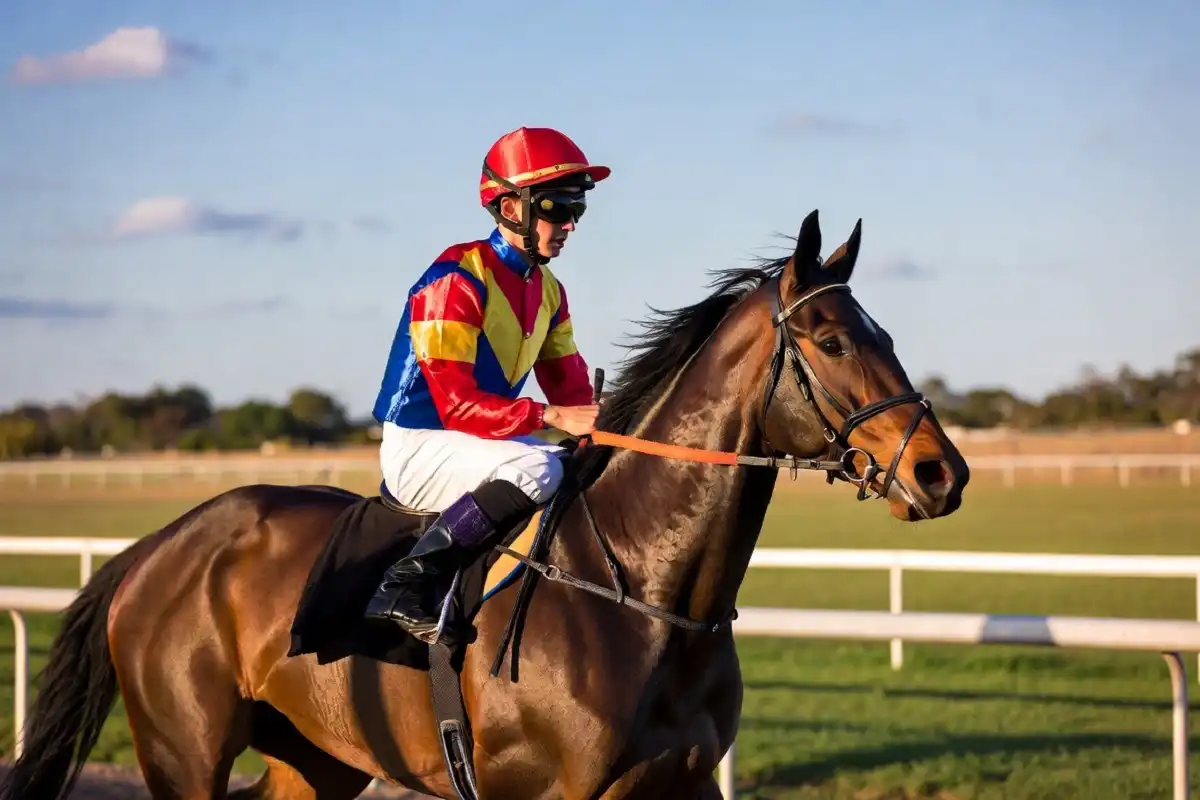
Horse racing is a sport where danger and bravery share the same track every single day. On November 14, 2025, jockey Dylan Davis faced the most terrifying moment of his career at Aqueduct Racetrack in New York. A violent crash left him with 11 broken bones, a collapsed lung, and a lost kidney. The racing world held its breath. The Dylan Davis injury comeback that followed over the next four months has since become one of the most powerful recovery stories in the sport. This article covers the accident, the road back, and the return to competition.
What Happened to Dylan Davis at Aqueduct?
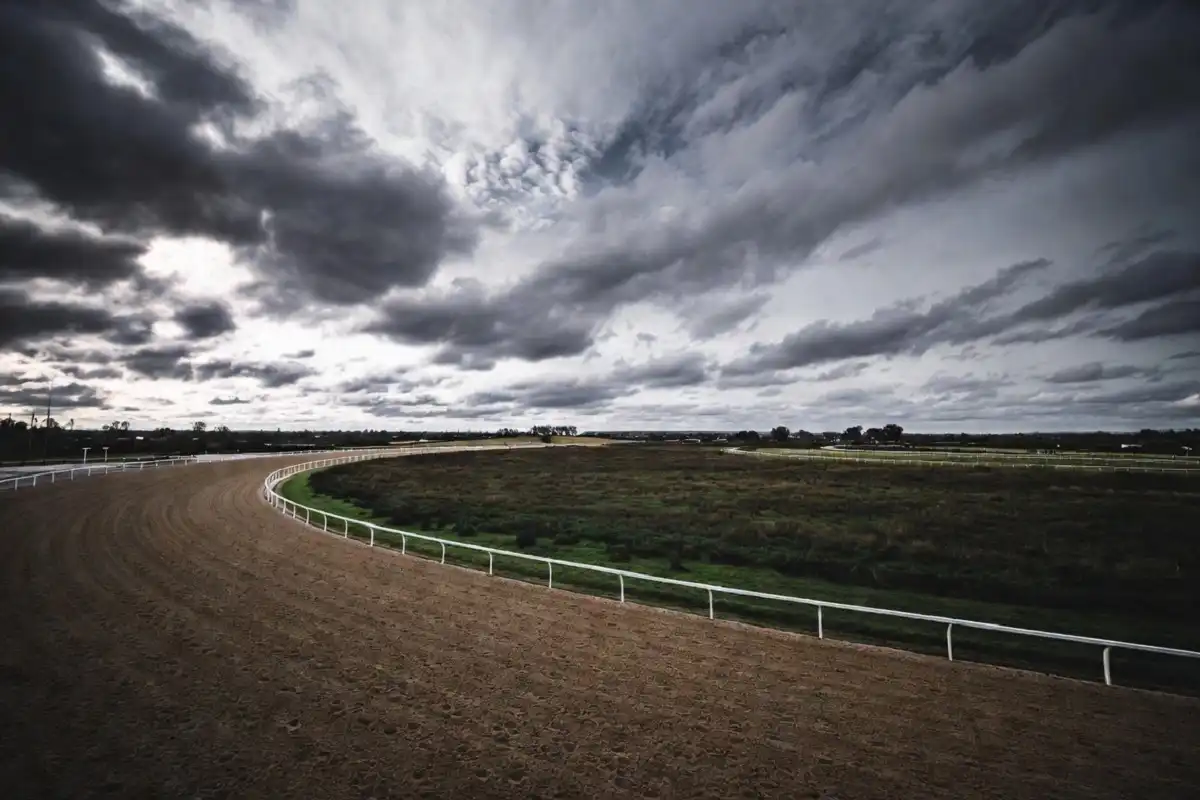
The accident that set the Dylan Davis injury comeback in motion took place on November 14, 2025 during Race 7 at Aqueduct Racetrack in South Ozone Park, New York. Davis was aboard Tarpaulin in a 6.5-furlong sprint on the dirt. The horse directly in front of them, Heavyweight Champs, suffered a fractured left foreleg and collapsed. Tarpaulin had no space to avoid the fallen horse and collided at full racing speed, sending Davis crashing to the ground.
Emergency medical personnel responded immediately. Officials transported Davis on a backboard to Jamaica Hospital Medical Center. The injury list was severe: nine fractured ribs, a broken collarbone, a collapsed lung, a punctured lung, and kidney damage serious enough to require surgical removal. In total, Davis had broken 11 bones.
Heavyweight Champs could not be saved that day. Davis was left physically broken and emotionally shaken in ways that went well beyond the physical pain.
How Did the Crash Affect Davis Mentally?
The mental impact was just as significant as the physical damage. Confined to a hospital bed with limited ability to move, Davis began questioning whether he would ever race again. He described the fall as a near-death experience, saying that a few inches in either direction could have permanently changed his life.
The early days of the Dylan Davis injury comeback were not on a racetrack or in a gym. They happened in a hospital room in Queens, where he had to decide whether the sport he loved was still worth the risk.
How Dylan Davis Rebuilt His Body After the Crash

Once Davis was discharged from Jamaica Hospital Medical Center, he committed fully to a structured rehabilitation program. The Dylan Davis injury comeback was built on a daily routine he maintained even on his hardest days at home.
The first month focused entirely on basic healing. He had limited mobility and spent his time at home with his wife Sara and their two children, Michael and Demi.
By the second month, his body was responding. He was running two miles every other day and working through resistance band exercises in physical therapy sessions. As his strength returned, he brought in a personal coach and began weight training at a pace his body could handle.
A rough outline of his recovery phase:
- Month 1: Rest and hospital-guided recovery at home
- Month 2: Light running, resistance band therapy, structured physical therapy sessions
- Month 3: Weight training with a personal coach, increased daily cardio
- Late February 2026: First sessions back on horses at Palm Meadows, Gulfstream’s training facility in Palm Beach County
This steady, stage-by-stage approach to the Dylan Davis injury comeback produced results faster than most people had anticipated.
Why Staying Organized During Recovery Matters
Athletes who return from serious injuries often credit a structured plan above everything else. Davis worked daily with a personal coach, tracked his physical progress carefully, and set clear milestones at each stage of his recovery. That kind of focused approach mirrors what high performers in any field use to stay on track through disruption.
For anyone navigating a long rehabilitation period or managing an extended stretch of reduced productivity, having the right organizational tools in place can make a real difference. Our guide on staying sharp with the right productivity tools covers practical options worth exploring for exactly those kinds of stretches.
The Dylan Davis Injury Comeback at Gulfstream Park
Less than four months after the accident, the Dylan Davis injury comeback entered its final stage. In late February 2026, Davis began riding horses again at Palm Meadows. He worked with 10 to 15 horses over several days before feeling ready to compete in an actual race.
His official return came during the Coolmore Fountain of Youth Day program at Gulfstream Park. He had two mounts on the Saturday card and rode in four races on Sunday, finishing second aboard Slow Kara, trained by Saffie Joseph Jr., in Race 2.
He was also named in several races in the days that followed, including Souper Quest in the $125,000 Silks Run and Indy Bay in the $175,000 Hurricane Bertie (Grade 3). The Dylan Davis injury comeback had moved well beyond survival. It had become a genuine competitive return at a high level.
What Did Davis Say About Riding Again?
Davis was candid when he spoke to the media on his return. He said the first month of recovery had been more mental than physical. Once he received the medical green light and got back on a horse, the nerves faded quickly. It felt natural rather than forced.
He made clear that racing is what he knows and what makes him happy. His family and his love of the sport pushed him forward even when the pain was at its worst. The Dylan Davis injury comeback was always about getting back to the only life he had known.
Who Is Dylan Davis? A Look at His Career Before the Fall
Before the Dylan Davis injury comeback became a headline story, Davis had been quietly building one of the more promising careers in New York thoroughbred racing.
The 31-year-old jockey is based in New York with his family. He holds six Grade 1 wins. His first Grade 1 victory came aboard Mutamakina in the E.P. Taylor Stakes at Woodbine in 2021. From there, his career grew steadily with the guidance of veteran agent Michael Migliore, who helped build his confidence and opened doors to top barns.
Davis had been riding for Hall of Fame trainers Todd Pletcher and Mark Casse, as well as future Hall of Famer Chad Brown, at the time of the accident. His rising profile made the injuries even harder to absorb, but it also gave him a clear reason to pursue the Dylan Davis injury comeback the racing community had been hoping to watch.
According to detailed coverage from Paulick Report, Davis approached his rehabilitation with the discipline expected of an athlete competing at the highest level of his sport.
What the Dylan Davis Comeback Tells Us About Resilience
The Dylan Davis injury comeback is bigger than horse racing. It is a story about what a person is capable of when pushed to a genuine limit.
Davis lost a kidney. He broke 11 bones. He spent weeks wondering whether his career was over. Yet within four months, he was finishing races at a professional racetrack in Florida.
Several things made that possible:
- Having a structured recovery plan from day one, not just vague hope
- Doing the mental work before tackling the physical rebuilding
- Building a support team that included a coach, a trusted agent, and a steady family unit
- Reaching small targets before chasing the larger ones
These are not lessons that apply only to jockeys. Anyone pushing through a significant setback, whether personal or professional, will find something worth taking from the way Davis approached this period.
Building focused daily habits and staying organized through a long disruption is a skill that translates across many fields. Our roundup of writing and note-taking tools for focused work looks at some of the digital options people use to stay productive and on track during demanding periods.
The Road Ahead for Dylan Davis
With the Dylan Davis injury comeback now firmly established, the next chapter is about momentum. Davis has indicated a plan to finish the Gulfstream Park meet before returning to New York racing in April 2026. His agent Michael Migliore is actively rebuilding his schedule, and the key connections with trainers Pletcher, Casse, and Brown remain in place.
None of the ability that made Davis a rising name in the sport disappeared during his four months away from the track. The talent is intact. The question is how quickly the wins follow.
For a closer look at his Gulfstream return appearances, BloodHorse has covered the story in thorough detail.
The Dylan Davis injury comeback has reminded the broader racing world that jockeys accept serious physical risk every single time they take a mount. What Davis accomplished over those four months after the fall, rebuilding his body and his mind through a disciplined, focused process, deserves genuine recognition from anyone who follows the sport.
Final Thoughts
The Dylan Davis injury comeback stands as one of the more powerful personal stories to come out of horse racing in recent memory. In just under four months, a jockey who broke 11 bones, lost a kidney, and seriously considered retirement was back competing at a professional level.
His path back was not accidental. It was built on a clear plan, a committed support team, a body that responded to hard daily work, and a mind that chose to keep going when the easier option was to walk away.
The Dylan Davis injury comeback is not a closed story. It is still unfolding race by race, and the sport will be watching every mount as Davis works to reclaim the career that a single November afternoon interrupted.
For those looking at how structured planning and the right digital tools can support long-term focus and demanding personal goals, our overview of the best digital paper tablets for work and study is a good place to explore further.