
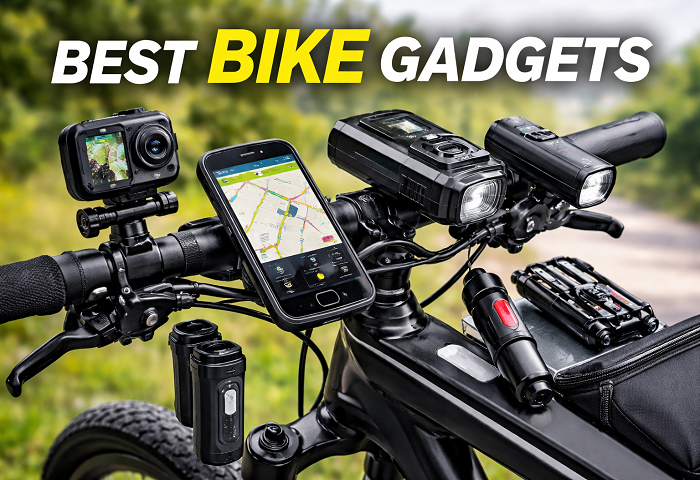
Introduction
Cycling has evolved far beyond the simple act of pedaling from point A to point B. Today’s riders blend the pure joy of a good ride with cutting-edge technology, and the result is a whole new category of equipment that changes how we experience two wheels. If you have strolled through your favorite bike shop lately, you have probably noticed that bike gadgets now occupy entire walls of inventory. From tiny sensors that tuck into saddle rails to full-color GPS units mounted on your handlebars, the choices feel almost overwhelming.
This comprehensive guide walks through the most useful cycling accessories for 2026, explains why each category matters, and helps you decide what deserves a spot in your toolkit. Whether you are a weekend cruiser chasing coffee shops, a daily bike commuter navigating city streets, or a long-distance endurance rider hunting personal records, there is a piece of gear here that will truly transform how you ride.
Why Bike Gadgets Matter More Than Ever
A decade ago, cycling tech felt optional. You could buy a bike, a helmet, maybe a water bottle cage, and that was the full kit. Today, the landscape looks completely different. Urban traffic has grown denser, gravel and adventure riding have exploded in popularity, and fitness-focused cyclists want real data they can measure. Bike gadgets now fill every one of those needs in surprisingly elegant ways.
Safety is one of the strongest arguments for investing in quality cycling accessories. Rear radar units, smart lights that pulse to draw attention, and helmet-mounted cameras all contribute to making riders dramatically more visible and better protected. Modern bike gadgets can literally save lives by alerting you to cars approaching from behind or recording footage if an incident ever occurs.
Performance tracking is another huge driver of the bike gadgets boom. Power meters, cadence sensors, and heart rate monitors used to be the exclusive domain of professional racers. Now they fit almost any budget and let everyday riders measure their fitness with surprising precision and consistency.
Then there is pure convenience. Phone mounts, integrated bells, USB-charged blinkers, and weatherproof storage packs all make daily riding easier. The best bike gadgets quietly remove tiny frustrations you did not even realize you had, freeing your mind to focus on the ride itself.
Navigation and GPS Bike Gadgets
One of the biggest categories worth your attention is navigation. Getting lost on a ride used to mean stopping, pulling out a phone, squinting at Google Maps, and hoping your battery held up. Dedicated GPS bike gadgets solved that problem years ago and keep getting better with every product cycle.
Handlebar GPS Computers
Units from Garmin, Wahoo, Hammerhead, and Bryton dominate this market. These devices clip onto your stem or handlebars and display turn-by-turn directions, elevation profiles, speed, distance, and sometimes even live weather. The screens are clearly readable in direct sunlight, the batteries often last 15 to 30 hours on a single charge, and they sync automatically with apps like Strava and Komoot.
For long-distance touring riders, these navigation devices are genuinely indispensable. Mapping a 300-kilometer gravel route on your phone, uploading it to your computer, and following breadcrumbs through remote country is an experience every cyclist should try at least once in their riding life.
Smartphone Mounts
If a dedicated GPS unit feels like overkill, a sturdy phone mount turns the device already in your pocket into a serviceable navigation tool. Quad Lock, Peak Design, and SP Connect make excellent mounts that lock your phone securely onto the stem or handlebar. Just remember that phone batteries drain fast while running GPS, so many riders pair these cycling tools with a small USB battery pack for insurance on longer days.
Bike-Specific Navigation Apps
Strava, Komoot, Ride with GPS, and Google Maps cycling mode all have real strengths. Komoot excels at off-road and mixed-surface route planning. Strava shines for finding popular segments and discovering what other riders in your area are actually doing. Paired with the right hardware, these apps turn a smartphone into one of the most versatile bike gadgets you can carry on any ride.
Safety-Focused Cycling Accessories
If you only invest in one category of bike gadgets, make it safety. Nothing else on your bike matters if you do not finish the ride in one piece.
Smart Bike Lights
Modern cycling lights are dramatically better than the blinkers of a decade ago. Front lights now push out 800 to 1,800 lumens, enough to confidently ride unlit country roads at night. Rear lights use daytime running modes that stay visible in bright sunshine, a feature proven to make drivers notice you from hundreds of meters away.
Bontrager, Lezyne, Cygolite, and Light & Motion all produce excellent options at various price points. Some accessories in this category even sync wirelessly with your GPS computer, flashing brighter when you brake or automatically dimming when they detect oncoming traffic ahead.
Radar Units for Cyclists
Garmin Varia is the most famous product in this tiny but game-changing category. It attaches to your seatpost, detects vehicles approaching from behind up to 150 meters away, and beams alerts directly to your GPS head unit. These bike gadgets give you crucial seconds of warning when a car is closing in, something that honestly feels like cheating once you experience it on a quiet country road.
Cycling Cameras
Front and rear cameras record footage of your rides, which can prove invaluable if a driver hits you or acts aggressively. Cycliq makes a well-known line that cleverly combines a light and camera in one housing. These cameras loop-record continuously, so you always have the last hour or two saved in case something bad happens during your ride.
Smart Helmets
Helmets with integrated turn signals, built-in lights, and crash-detection sensors are quickly becoming mainstream. Lumos and POC lead this category with thoughtful designs. When crash sensors detect an impact, they can automatically send your location to an emergency contact. For solo riders exploring remote trails, bike gadgets like these offer genuine peace of mind that is hard to put a price on.
Performance Tracking Gadgets for Cyclists
If you care about steadily improving your fitness, there is a rich universe of bike gadgets dedicated to measuring exactly what your body and your machine are doing during every single pedal stroke.
Cycling Computers with Training Metrics
Beyond basic GPS and navigation, high-end computers from the Garmin Edge and Wahoo Elemnt series display training stress, recovery recommendations, and detailed workout structures. They guide you through intervals, keep you in the right power zones, and sync data directly with platforms like TrainingPeaks. Riders who follow structured training plans depend on these devices daily for their workouts.
Power Meters
Power meters measure the actual watts you produce while pedaling. Unlike heart rate, which lags and drifts based on fatigue, hydration, and weather, power data is instant and remarkably precise. Brands like Stages, 4iiii, Quarq, and Favero have pushed prices down dramatically. These bike gadgets used to cost two thousand dollars; now solid, reliable options exist well under five hundred.
Heart Rate Monitors
Chest straps from Polar, Garmin, and Wahoo remain the gold standard for accuracy. Optical wrist and arm bands offer convenience at the cost of a little precision. Pairing a heart rate strap with other training sensors gives you a truly complete picture of how hard your body is actually working on any given effort.
Cadence and Speed Sensors
Small magnetic or accelerometer-based sensors attach to your crank or hub and report how fast your pedals spin or how quickly the wheel rotates. They are cheap, reliable, and fill in the gaps when GPS signal drops in tunnels or dense tree cover. Even budget-minded riders quickly learn to appreciate these affordable little sensors.
Security-Focused Bike Gadgets
Bikes get stolen. A lot. In some cities, nearly one in ten riders experiences theft in a given year. Good security bike gadgets dramatically reduce that risk and give you a fighting chance to recover your machine if the worst happens.
Smart Bike Locks
Locks now come with Bluetooth, fingerprint unlocking, motion alarms, and full smartphone integration. Products from Abus, Kryptonite, and newer brands like Linka blend traditional strength with app-based convenience. Heavy U-locks paired with a thick chain remain the toughest defense, while smart bike gadgets add useful convenience layers on top of that proven foundation.
GPS Trackers for Bikes
Hidden trackers mounted inside seat tubes, under saddle rails, or cleverly disguised as taillights can recover stolen bikes even after thieves have ridden off. Apple AirTags, Tile devices, Invoxia, and dedicated bike-specific GPS bike gadgets have helped thousands of riders get their machines back. Many offer subscription-based cellular connections for real-time tracking anywhere in the country.
Frame Alarms
Small alarms that mount on the frame detect motion and scream at 100 decibels when anyone touches the bike. They are cheap, battery-efficient, and surprisingly effective at deterring casual thieves. Cyclists who park outside coffee shops or offices should consider these compact alarms as an obvious piece of low-hanging fruit.
Comfort and Convenience Upgrades
Not every useful accessory tracks data or prevents theft. Plenty of bike gadgets exist simply to make rides more pleasant from start to finish.
Phone Mounts and Charging
Beyond navigation, phone mounts let you queue up music, manage calls, and snap photos of the view without ever dismounting. Some mounts even wirelessly charge your phone while you ride, using power from a dynamo hub or a small onboard battery pack. Long-distance tourers pack these bike gadgets for exactly that reason.
Integrated Bells and Horns
Modern bells sound sharper and louder than the ding-ding of the past. Some electric horns reach 115 decibels, louder than actual car horns, while remaining weatherproof and rechargeable. Urban commuters dealing with distracted pedestrians and texting drivers find these bike gadgets genuinely life-saving on crowded streets.
Hydration and Storage
Smart water bottles now measure how much you drink and remind you to sip on hot rides. Magnetic top-tube bags open with one hand, and frame bags use waterproof zippers for stormy weather. Bikepacking-specific bike gadgets have exploded right alongside the growth of the sport itself.
Comfort Upgrades
Seatpost suspension, handlebar grips with shock absorption, and even airbag vests for downhill riders fall into the comfort category. Not all of these count as electronic accessories in the strict tech sense, but they benefit from modern engineering in very similar ways.
Maintenance and Repair Bike Gadgets
Nothing ruins a ride like a mechanical failure far from home. Smart maintenance bike gadgets help you either avoid problems entirely or fix them quickly so you can keep moving.
Digital Tire Pressure Gauges
Floor pumps with digital displays show pressure to the tenth of a PSI, which matters a lot if you ride tubeless or chase optimal rolling resistance. Silca, Topeak, and Lezyne all sell beautiful versions that last decades with basic care. These simple bike gadgets pay for themselves in consistency alone.
CO2 Inflators
A tiny cartridge and inflator head fit in a jersey pocket and fully inflate a flat tire in about ten seconds. Cyclists who tour, race, or ride remote routes carry these bike gadgets as insurance against long, embarrassing walks home in cycling shoes.
Multi-Tools
Modern cycling multi-tools include chain breakers, spoke wrenches, tire plugs, and a dozen Allen keys in a package smaller than a bar of soap. Brands like Crankbrothers, Topeak, and Park Tool compete hard in this space. Owning one of these reliable bike gadgets is non-negotiable for anyone who rides past their own driveway.
Chain Wear Indicators and Torque Wrenches
These precise bike gadgets help mechanics and DIY enthusiasts maintain drivetrains and carbon components safely. Chain checkers tell you exactly when to replace a worn chain before it damages your expensive cassette. Torque wrenches prevent cracked carbon bars and stripped stem bolts that can turn into costly mistakes.
How to Choose the Right Bike Gadgets
With so many options available today, analysis paralysis is very real. Here is a simple framework for narrowing down which bike gadgets actually deserve your hard-earned money.
First, audit your actual riding. A daily commuter in a rainy city needs radically different gear than a weekend gravel rider in the desert. Write down your typical ride length, your usual routes, and the problems you face most often. Then match bike gadgets to those specific pain points rather than buying based on internet reviews alone.
Second, consider your budget as a portfolio. Spend the biggest chunk on the gadget that addresses your biggest risk or limitation. For most urban riders, that is lighting and a quality lock. For racers, it might be a power meter. Only buy the next wave of bike gadgets once the highest-priority ones are already in place.
Third, think about ecosystem and compatibility. Most cycling computers talk to sensors over ANT+ or Bluetooth. Choosing products that play nicely together saves real headaches. If you already own a Garmin, adding Garmin-compatible bike gadgets usually means seamless setup. Brand loyalty is not required, but compatibility definitely matters in daily use.
Fourth, read reviews from riders who match your profile. A touring cyclist has completely different needs than a criterium racer. Look for feedback that mirrors your own riding style, not just star ratings.
Budgeting for Bike Gadgets
You can spend wildly different amounts on bike gadgets and end up with equally happy, well-rounded setups. Here is roughly how the landscape breaks down for 2026.
On the entry level, about 150 to 250 dollars gets you a solid front light, a bright rear light, a basic phone mount, and a quality multi-tool. These foundational bike gadgets form the baseline every rider should have before seriously considering anything fancier.
In the mid-range, around 500 to 800 dollars, you add a quality GPS computer, a cadence or speed sensor, a heart rate monitor, and a decent smart lock. This tier covers the vast majority of recreational cyclists who want real data and solid safety without breaking the bank. The value in this slice of the bike gadgets market has honestly never been better.
At the high end, above 1,500 dollars, you add a power meter, a radar unit, an integrated action camera, a premium helmet, and perhaps a smart trainer for indoor winter riding. These bike gadgets serve racers, endurance athletes, and riders who simply love quality tech.
The secondhand market is also worth exploring. Cyclists upgrade often, and barely-used bike gadgets appear constantly on eBay, Reddit, and dedicated cycling classifieds. Savings of 40 to 60 percent on recent models are surprisingly common.
The Future of Bike Gadgets
Looking ahead, several trends are reshaping what bike gadgets can realistically do. Artificial intelligence is starting to creep into training analysis, giving riders personalized coaching based on their actual data. Solid-state batteries will push light and computer runtimes even higher. And the rise of connected infrastructure, where traffic lights and road signs communicate with cyclists, will expand the very definition of cycling tech entirely.
Electric bikes are also pulling the ecosystem forward. As more riders pedal assisted machines, battery management, motor diagnostics, and anti-theft protection all become bigger priorities. Expect the next generation of bike gadgets to blur the line between the bike itself and the accessories bolted to it.
Frequently Asked Questions About Cycling Tech
Are smart cycling accessories worth the investment for casual riders?
Absolutely. Even casual weekend riders benefit enormously from a good set of lights, a reliable phone mount, and a basic lock. You do not need to spend thousands of dollars to transform the experience. A modest hundred-dollar upgrade often delivers more joy per dollar than expensive bikes themselves do.
How long do the batteries typically last on cycling electronics?
Most modern lights run three to twenty hours depending on the brightness setting you choose. GPS computers generally last 15 to 30 hours of continuous use between charges. Sensors paired via Bluetooth or ANT+ usually run 6 to 12 months on a single coin battery. Planning battery swaps before big rides is a small habit that saves real frustration later.
Can I mix brands or do I need to buy everything from one manufacturer?
You can absolutely mix brands with confidence. The ANT+ and Bluetooth Smart standards ensure that a Wahoo computer talks happily to a Garmin heart rate strap or a Stages power meter. Stick to products that advertise compatibility with these open standards and you will have almost no issues down the road.
What is the single most important upgrade for a brand new rider?
Lights, without any hesitation. Being seen is the difference between a close call and a real collision. A quality front and rear light setup from a reputable brand costs around eighty dollars and makes every single ride measurably safer. Everything else on the long list of possible upgrades is genuinely optional until you have good lighting firmly in place.
How often should I replace my cycling electronics?
Most quality products last four to seven years with reasonable care and regular firmware updates.
Final Thoughts
Cycling has always been a perfect blend of simplicity and engineering. A bike is one of the most efficient machines ever invented, and yet there is seemingly no limit to how much you can enhance the experience of riding one. Investing in the right bike gadgets does not mean turning your bike into a rolling computer; it means removing friction, improving safety, and giving yourself fresh reasons to spend time in the saddle every week.
Start small. Pick one category that addresses your biggest current frustration and buy the best tool you can reasonably afford for that specific job. Use it for a few months, learn what you actually care about, and expand from there. Over time, you will build a kit of bike gadgets that feels perfectly tailored to your rides, your body, and your goals.
More than anything, remember that the most important part of any ride is the ride itself. Gadgets amplify the experience, but the real magic happens when your wheels are turning, the wind is in your face, and the road stretches out invitingly ahead of you.