
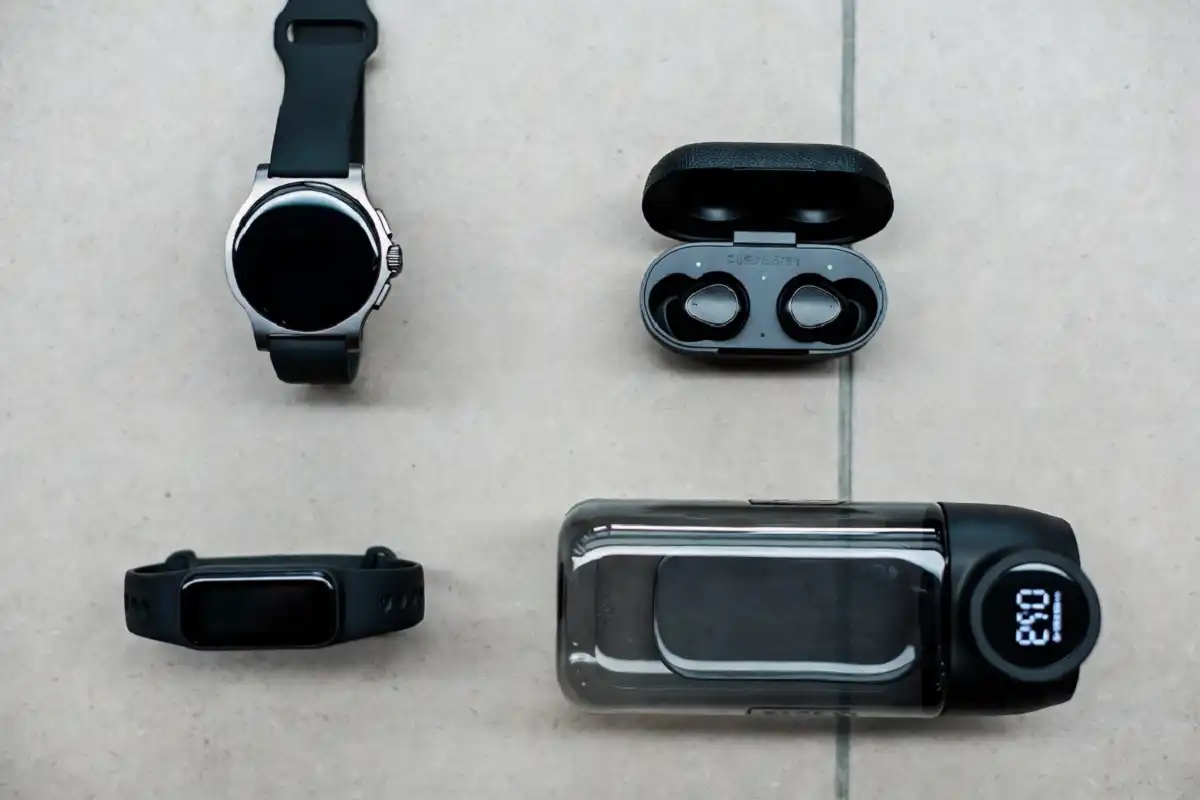
Fitness gadgets have moved beyond counting steps. Today, they track your sleep, monitor your heart rate, coach your breathing, and even analyze your recovery after a tough session. Whether you are just starting your health journey or are a seasoned gym-goer, the right device can keep you on track and motivated. This guide covers the most useful fitness gadgets available right now, what they actually do, and how to choose the best one for your lifestyle and goals.
What Are Fitness Gadgets and Why Do They Matter?
Fitness gadgets are devices or tools designed to help you monitor, improve, or support your physical health and exercise routine. They range from simple step counters to advanced wearables that track dozens of health metrics in real time.
The value of these devices is straightforward. When you can see your data, you make better decisions. Knowing how many calories you have burned, how well you slept, or whether your heart rate is in the right zone helps you train more effectively and avoid overtraining.
If you are curious about how gadgets in general are changing everyday life, this overview of 10 examples of gadgets you should know about is a good starting point.
Smartwatches and Fitness Bands
The Most Popular Fitness Wearables
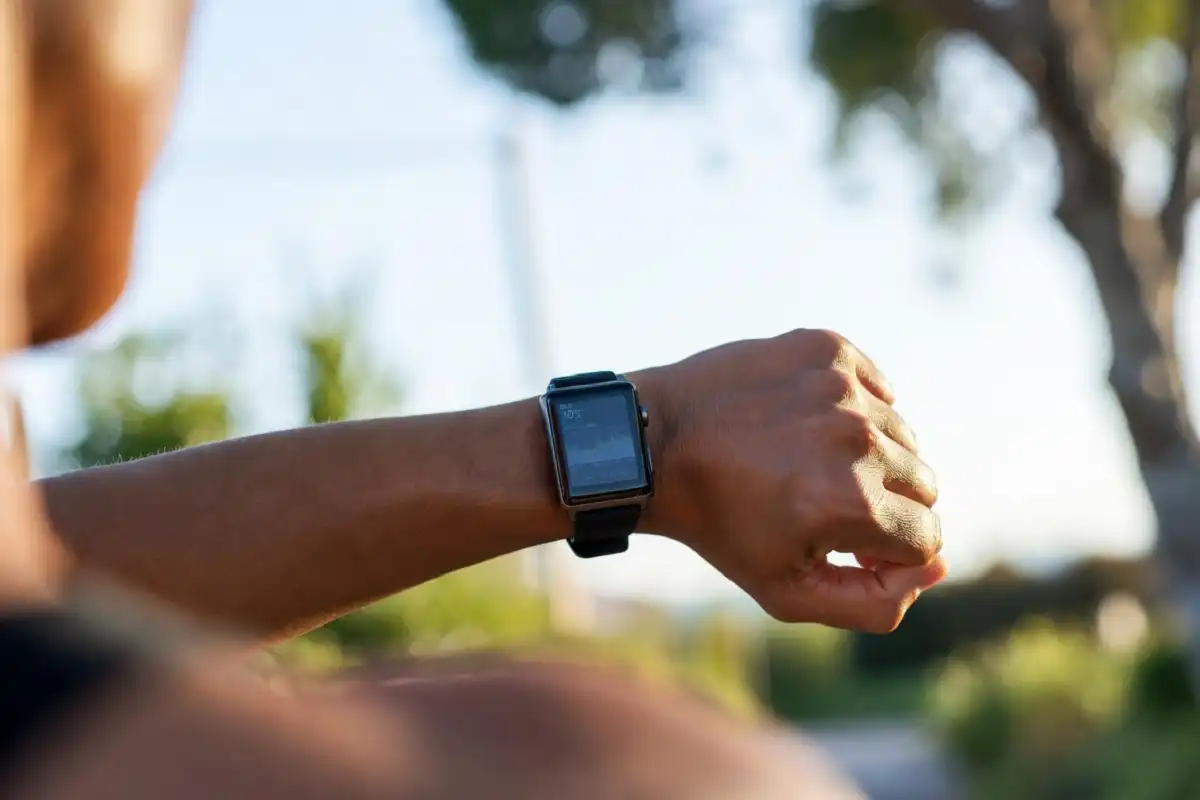
Smartwatches and fitness bands are the most widely used fitness gadgets today. They sit on your wrist and passively collect data throughout the day and night.
Key features to look for include:
- Heart rate monitoring (continuous or on-demand)
- GPS tracking for outdoor runs, walks, and cycling
- Sleep tracking and sleep stage analysis
- Blood oxygen level (SpO2) measurement
- Stress tracking through heart rate variability
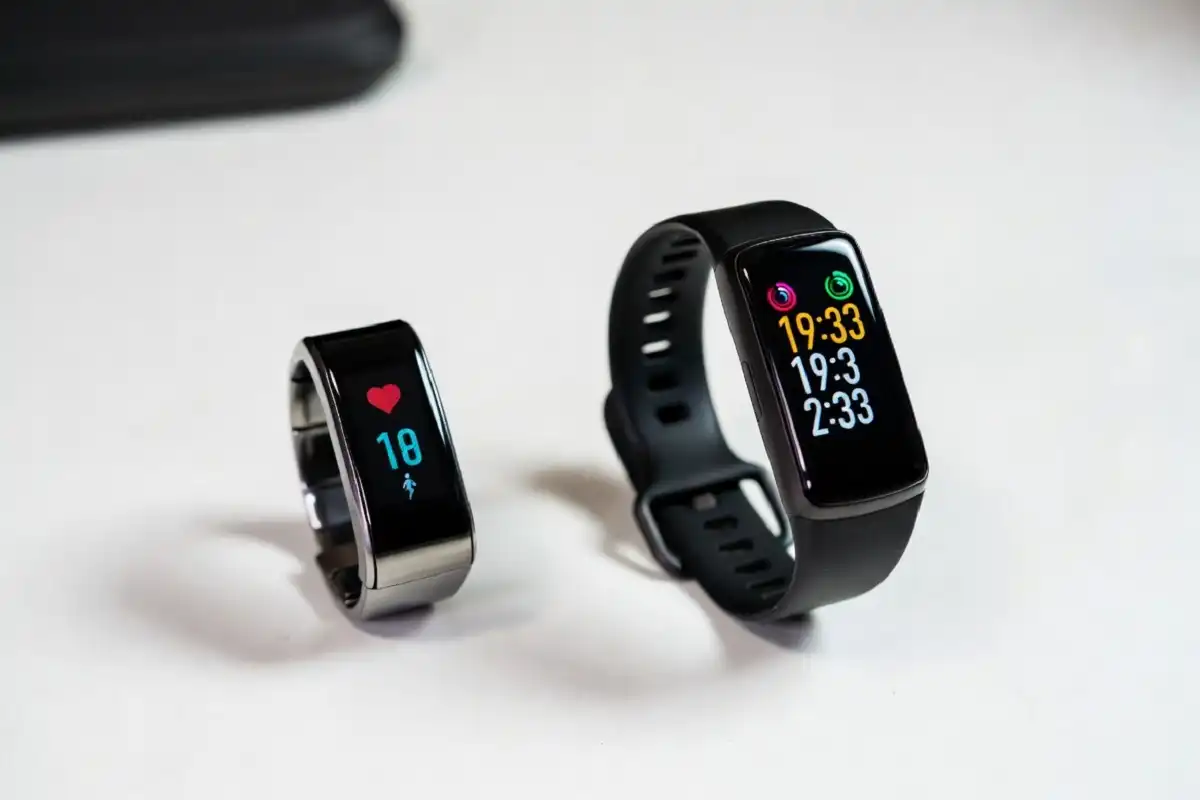
Fitness bands tend to be smaller, lighter, and more affordable. Smartwatches offer more functionality, including notifications, apps, and payments, but come at a higher price point.
For people who want accurate workout data without carrying a phone, a GPS-enabled smartwatch is one of the most practical investments you can make in your fitness routine.
Smart Rings: A Discreet Alternative
Smart rings are a newer category of fitness wearables that track health metrics from your finger. They are lighter than a watch and can be worn 24/7 without feeling intrusive.
Most smart rings track sleep in impressive detail, monitoring heart rate, blood oxygen, and movement to give you a recovery score each morning. This score tells you how ready your body is for a hard workout versus a rest day.
The Oura Ring is one of the most well-known options in this category and has received strong reviews from athletes and health researchers for its sleep tracking accuracy.
Home Workout Gadgets
Smart Jump Ropes
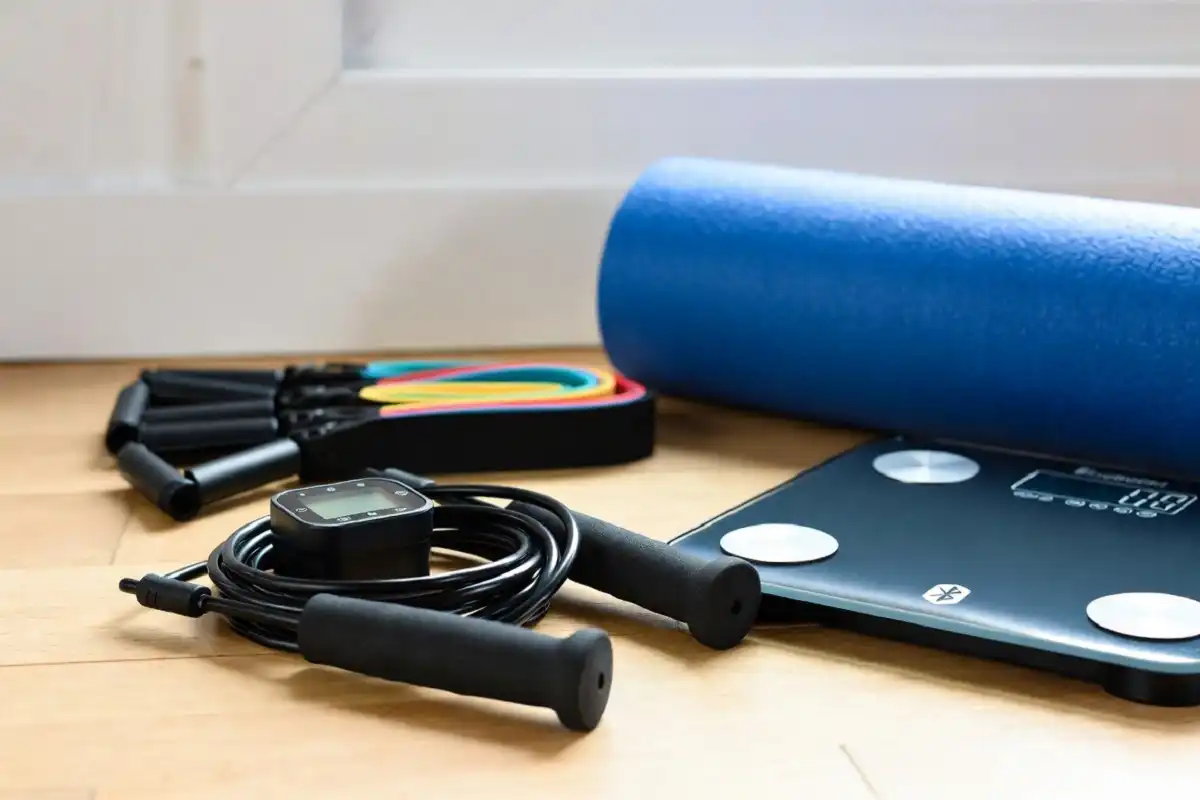
A smart jump rope tracks your jumps, calories burned, and workout duration automatically. Some models connect to an app that guides you through structured jump rope workouts.
This is one of the most affordable fitness gadgets available and works for all fitness levels. Jump rope training improves cardiovascular health, coordination, and endurance in a compact, low-cost package.
Connected Resistance Bands
Traditional resistance bands have been upgraded with sensors that measure the force and reps you apply during each exercise. These smart bands connect to an app that logs your training and gives feedback on your form and progress.
They are ideal for people doing home strength training who want data similar to what you would get from gym machines.
Smart Scales
A smart scale goes beyond measuring weight. It uses bioelectrical impedance to estimate body fat percentage, muscle mass, bone density, and water weight. The data syncs to your phone and lets you track body composition changes over time.
This is far more useful than a standard scale for anyone focused on building muscle or losing fat, because the number on a regular scale does not tell the full story.
Recovery and Sleep Gadgets
Massage Guns
Percussion massage guns have become a staple in athletic recovery. They deliver rapid pulses of pressure to muscle tissue, helping reduce soreness and improve blood flow after workouts.
They are easy to use and work on most large muscle groups. Most models have adjustable speed settings and interchangeable heads for different areas of the body.
Sleep Tracking Devices
Quality sleep is one of the most underrated parts of fitness. Devices like smart mattress pads and bedside sleep monitors track your movement and breathing patterns to produce detailed sleep quality reports.
If you want to understand how improving your sleep environment can also affect your health routines, the guide on best bathroom gadgets to upgrade your daily routine covers some helpful complementary tools.
Fitness Gadgets for Cardio Training
Smart Earbuds with Heart Rate Monitoring
Some wireless earbuds now include heart rate sensors in the ear canal. This approach can be more accurate than wrist-based sensors during high-intensity workouts where wrist movement creates noise in the data.
Beyond heart rate, these earbuds often include real-time coaching through audio prompts. Spotify and Apple Music integrations keep your music flowing while the device tracks your effort.
According to the American Heart Association, regular moderate-to-vigorous physical activity is one of the most important steps you can take for your heart health. Tools that help you stay in the right training zone directly support that goal.
Cycling Computers and Power Meters
For cyclists, a dedicated cycling computer provides more relevant data than a general fitness watch. These devices track speed, cadence, elevation, and power output. Power meters, attached to the bike’s pedals or crank, measure exactly how hard you are working in watts.
This level of data is particularly useful for structured training plans where hitting specific power targets drives improvement.
Gadgets for Tracking Nutrition and Hydration
Smart Water Bottles
Staying hydrated affects energy, concentration, and physical performance. Smart water bottles track how much water you drink and send reminders to your phone when you fall behind on your daily hydration goal.
Some models also track the temperature of your drink and glow to remind you to take a sip. They are a simple, passive tool that solves a common problem without requiring much effort.
Smart Food Scales
A smart kitchen scale connects to a nutrition database and calculates the macronutrients in the food you weigh. Instead of manually logging meals, you place food on the scale and the app identifies the calories, protein, carbohydrates, and fat.
For anyone tracking their diet as part of a fitness plan, this removes one of the most tedious steps in the process. You can read more about how smart devices are transforming the kitchen in this guide to best smart kitchen gadgets for a modern home.
How to Choose the Right Fitness Gadget
Choosing a fitness gadget depends on three things: your goal, your budget, and how much you actually want to engage with data.
By goal:
- Weight loss: smart scale, fitness tracker, food scale
- Cardio improvement: GPS smartwatch, smart earbuds
- Strength training: connected resistance bands, smart mirror
- Recovery: massage gun, sleep tracker, smart ring
By budget:
- Under $50: smart jump rope, smart water bottle, basic fitness band
- $50 to $150: smart scale, massage gun, mid-range fitness tracker
- $150 and above: GPS smartwatch, smart ring, cycling power meter
If you are building out your home workspace and health setup together, this roundup of best desk gadgets to upgrade your workspace pairs well with fitness tools designed for the home.
The Cleveland Clinic also recommends using fitness tracking technology as a way to increase accountability and maintain exercise consistency, particularly for people who are just starting to build healthy habits.
For a broader look at how these types of tools fit into daily life, the guide on best technology gadgets to upgrade your life covers a wide range of options across categories.
FAQs
Are fitness gadgets worth the money?
Yes, fitness gadgets are worth the investment when they match your specific goals. A device that tracks the metrics relevant to what you are trying to achieve will return value over time by helping you train smarter, recover better, and stay consistent.
What is the most useful fitness gadget for beginners?
A basic fitness tracker or entry-level smartwatch is the most practical starting point for beginners. It introduces you to tracking without overwhelming you with complex data, and the step and heart rate features alone can meaningfully shift your daily habits.
Can fitness gadgets replace a personal trainer?
No, fitness gadgets cannot replace a personal trainer. They collect and display data, but they do not provide the personalized instruction, form correction, or motivational accountability that a good trainer delivers. They work best as a supplement to structured guidance.
How accurate are wrist-based heart rate monitors?
Wrist-based heart rate monitors are reasonably accurate during steady-state exercise like walking, jogging, and cycling. Accuracy can drop during high-intensity or weightlifting workouts where wrist movement interferes with the optical sensor. Chest straps remain the gold standard for precision.
Do I need a smartphone to use fitness gadgets?
Most fitness gadgets require a smartphone to sync data, access full features, and update software. Some devices can store data independently for a period and sync later, but full functionality typically depends on pairing with a compatible app.
Conclusion
Fitness gadgets work best when they fit naturally into your routine rather than adding complexity to it. Start with one device that addresses your most pressing goal, learn how to use its data, and build from there. Whether it is a smartwatch that keeps you in the right heart rate zone or a smart scale that tracks your body composition over months, these tools make your effort more visible and your progress easier to sustain. Ready to find your next health upgrade? Browse the options, pick the one that fits your goals, and start tracking.