
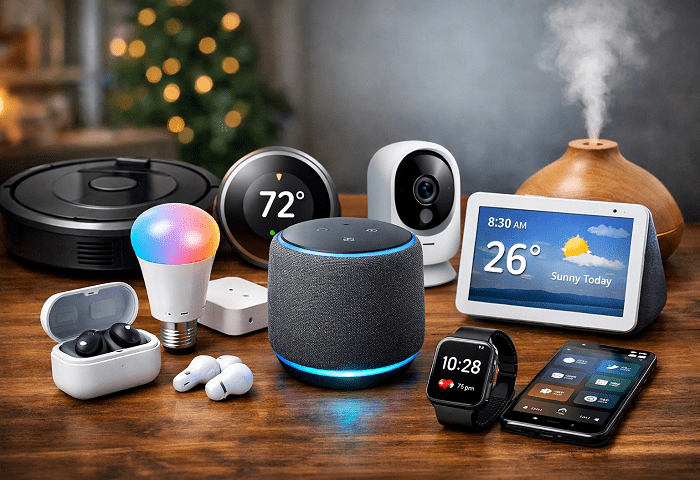
Walk into any modern house today and you will notice something different from a decade ago. The lights respond to a voice. The thermostat learns your schedule. The fridge sends a text when the milk runs low. This quiet revolution has a name, and it comes in the form of home gadgets that blend into daily routines so smoothly that we barely think about them anymore.
From busy parents juggling school runs to remote workers trying to stay focused, people everywhere are turning to home gadgets to reclaim time, cut energy bills, and add a layer of comfort that used to feel like science fiction. The global smart home market has crossed hundreds of billions of dollars, and the reason is simple: these devices actually work, and they keep getting better.
In this guide, we will walk through the most useful home gadgets across every room of the house. You will learn which ones are worth the money, which ones solve real problems, and which ones you can probably skip. Whether you are furnishing your first apartment or upgrading a family home, there is something here for you.
Why Home Gadgets Matter More Than Ever
The pandemic changed how we relate to our living spaces. Homes became offices, classrooms, gyms, and theaters overnight. That shift pushed millions of people to invest in home gadgets that could make these overlapping uses easier. And even as life returned to normal, the habit stuck.
Today, the average household owns between ten and fifteen connected devices. These are not just novelties. Smart thermostats cut heating costs by up to twenty percent. Video doorbells reduce package theft significantly. Robot vacuums give busy families hours of their week back. The return on investment for most quality home gadgets is real and measurable.
There is also the comfort factor. Coming home to a house that has already warmed up, lights that fade on as you walk in, and music that plays from any room you enter creates an experience that older generations would have called luxurious. Today it is becoming the baseline.
Finally, accessibility matters. Voice-controlled home gadgets have opened doors for elderly users and people with mobility challenges. A simple voice command can now turn off the stove, lock the front door, or call a family member. This human impact, more than any feature list, is why the category keeps growing.
Smart Security Home Gadgets That Protect What Matters
Security sits at the top of most buyers’ priority lists, and for good reason. Modern security home gadgets do far more than the clunky alarm systems of the past. Today’s options are wireless, app-controlled, and surprisingly affordable.
Video doorbells are probably the most popular entry point into connected home security. Brands like Ring, Google Nest, and Eufy all offer models that let you see, hear, and speak to whoever is at your door from anywhere in the world. For households that receive frequent deliveries, this single device can prevent countless headaches.
Smart locks are the natural companion. Keyless entry means no more hiding a spare under the mat or cutting copies for every family member. You can hand out temporary digital keys to house cleaners, dog walkers, or guests, and revoke them with a tap. Pairing a smart lock with a video doorbell creates a layered front-door system that rivals professional installations.
Indoor and outdoor cameras round out the category. Look for features like color night vision, two-way audio, and local storage options. Cloud subscriptions add convenience, but local storage protects your privacy and keeps working when the internet does not. Many of these home gadgets now include AI that can tell the difference between a person, a package, a car, and a raccoon, sending you alerts only when they matter.
Motion sensors, glass break detectors, and smart sirens can be layered in for whole-home coverage. The beauty of the modern ecosystem is that you do not need to buy everything at once. Start with one or two pieces and expand as your budget allows. Most major brands play nicely with Alexa, Google Home, and Apple HomeKit, so you are not locked into any single vendor forever.
Kitchen Home Gadgets That Change How You Cook
The kitchen is where home gadgets deliver some of their most visible rewards. Cooking becomes faster, waste drops, and meals often come out better than before.
Smart ovens and air fryers have exploded in popularity. Devices like the June Oven or Breville Smart Oven Air can identify the food you place inside and set the right program automatically. Air fryers in particular have become a staple because they deliver crispy results in a fraction of the time a traditional oven takes, using much less oil.
Instant Pots and multi-cookers remain bestsellers for a reason. Pressure cooking, slow cooking, sautéing, steaming, and yogurt making all happen in one appliance. For anyone tight on counter space, these versatile home gadgets replace three or four older devices.
Smart refrigerators with interior cameras let you check what you have while you are at the grocery store. Some models track expiration dates and suggest recipes based on what is running low. While these are pricier, the mid-range options have come down significantly in cost over the past few years.
Precision cookers and sous vide devices have moved from restaurant kitchens into homes. They cook proteins to the exact temperature you want, without overcooking, and the results are remarkably consistent. Pair one with a vacuum sealer and weeknight steak becomes genuinely easy.
Smart coffee makers, kettles, and scales are smaller but delightful additions. Imagine a kettle that boils to the exact temperature your tea needs, or a coffee maker that starts brewing right before your alarm goes off. These little moments are where home gadgets earn their place in your life.
Do not overlook smart herb gardens either. Countertop hydroponic systems from brands like Click and Grow or AeroGarden let you grow basil, mint, and lettuce year-round with almost no effort. Fresh ingredients at your fingertips feel like a small luxury that pays for itself quickly.
Cleaning Home Gadgets That Give You Time Back
If there is one category of home gadgets that almost universally delights owners, it is cleaning. The hours these devices reclaim add up to full weekends every year.
Robot vacuums lead the category. Models from iRobot, Roborock, Eufy, and Shark now map your home, avoid obstacles, empty themselves into a base station, and in many cases mop as well. A mid-range robot vacuum is one of the best gifts you can give a busy household. Schedule it to run while you are at work, and you will come home to clean floors every day.
Robot mops have matured into serious cleaning tools. The newer hybrid models vacuum and mop in a single pass, with self-cleaning bases that rinse the mop pads between rooms. Hard floors stay fresh without you ever picking up a mop.
Cordless stick vacuums from Dyson, Tineco, and others fill the gaps robot vacuums cannot reach, like stairs, couches, and car interiors. The latest models have laser dust detection, making it almost satisfying to watch invisible debris get sucked away.
Window cleaning robots are a niche but growing category. For homeowners with large glass surfaces or multi-story homes, these devices handle a chore most people dread. They use suction to cling to glass while scrubbing in a systematic pattern.
Smart trash cans with motion sensors and automatic bag sealing may sound like overkill, but once you live with one, going back to a regular can feels primitive. Odor control, touchless opening, and even voice commands are all available in this surprisingly competitive corner of home gadgets.
Finally, do not forget UV sanitizing devices. Compact UV-C wands and sanitizing boxes can disinfect phones, keys, toothbrushes, and other small items that get handled constantly. Since the pandemic, these have become mainstream rather than niche.
Sleep and Bedroom Home Gadgets for Better Rest
Good sleep affects everything, and this category of home gadgets has grown dramatically as research on rest has become mainstream.
Smart mattresses and adjustable bed bases can track your heart rate, breathing, and movement through the night. Models from Eight Sleep, Sleep Number, and Tempur-Pedic adjust firmness and temperature automatically, with some even cooling or warming each side of the bed independently for couples with different preferences.
Sunrise alarm clocks gently wake you by simulating a gradual dawn, which is far kinder to your body than a blaring buzzer. Philips Hue and Hatch make popular versions that also play soothing sounds or serve as bedside lamps.
White noise machines and smart sleep speakers mask household noise and help light sleepers stay under. The latest models stream audio, run sleep meditations, and integrate with your broader connected home setup so they turn on at bedtime automatically.
Smart blackout curtains and shades close on a schedule or by voice command. Pair them with smart lighting that dims in the evening, and your bedroom becomes a sleep-friendly environment without any nightly fussing.
Wearable sleep trackers like the Oura Ring or Whoop band give you detailed insights into your sleep stages, recovery, and readiness for the day ahead. Unlike older fitness trackers, these focus heavily on what happens when you are asleep, which is where the real recovery magic occurs.
The bedroom is also where air quality monitors shine. Devices that track CO2, humidity, and particulate matter can reveal why you are waking up groggy, often pointing to simple fixes like better ventilation or a humidifier. These specific home gadgets pay for themselves in the quality of rest you recover.
Entertainment Home Gadgets That Upgrade Family Time
Home entertainment has transformed in the last five years. Streaming replaced cable, projectors got genuinely good, and surround sound became wireless.
Streaming devices like the Apple TV 4K, Roku Ultra, and Google Chromecast remain the gateway to modern television. They unify your subscriptions, support voice search, and receive updates regularly so they age gracefully.
Soundbars with wireless subwoofers and rear speakers deliver theater-quality audio without the cable nightmare of traditional home theater setups. Sonos, Bose, and Samsung lead here, with systems that scale from a single bar to a full immersive setup over time.
Smart projectors have become genuinely viable alternatives to giant TVs. Short-throw models can sit on a coffee table and project a hundred-inch image on the wall. For movie nights and gaming, the experience is hard to match at the same price as a comparably sized television.
Smart displays like the Amazon Echo Show or Google Nest Hub sit in kitchens and living rooms, doubling as recipe helpers, video call stations, and digital picture frames. The latest models have excellent cameras and speakers, making them surprisingly versatile home gadgets for families.
Gaming accessories round out the category. Wireless controllers, streaming handhelds like the Steam Deck, and cloud gaming services have made console-quality gaming accessible on any screen in the house.
Energy-Saving Home Gadgets That Pay for Themselves
Rising energy costs have made efficient home gadgets more popular than ever. Many of these pay back their purchase price within one or two years.
Smart thermostats like the Nest, Ecobee, and Honeywell T9 learn your routines and adjust heating and cooling automatically. They also provide detailed reports showing when and where you use the most energy, helping you make smarter choices over time.
Smart plugs and power strips give you control over any device with an on-off switch. Use them to kill phantom power draws on TVs, chargers, and appliances that sip electricity even when idle. Schedule them to run space heaters only during off-peak hours, or to turn off the Wi-Fi router overnight.
Smart lighting with LED bulbs cuts lighting costs dramatically while adding color, dimming, and scheduling options. Philips Hue remains the premium choice, but budget brands now offer impressive quality at much lower prices.
Leak detectors placed under sinks, behind washing machines, and near water heaters can prevent thousands of dollars in water damage. Paired with a smart water shutoff valve, they create a system that can stop a burst pipe before it floods your basement.
Solar-ready home gadgets including smart panels, battery backups, and EV chargers are becoming increasingly accessible. As more households adopt rooftop solar, these devices help you store and use your own power efficiently rather than sending surplus to the grid at low rates.
Energy monitoring devices like the Sense Home Energy Monitor attach to your electrical panel and show you, in real time, which devices are drawing power. The insights alone often change behavior in ways that save meaningful money every month.
Bathroom Home Gadgets You Did Not Know You Needed
The bathroom has been slower to get the smart treatment, but the home gadgets designed for this room have become genuinely useful.
Smart mirrors display weather, news, and calendars while you get ready. Some include anti-fog heating, adjustable lighting for makeup application, and even skin analysis that tracks changes over time.
Bidet toilet seats from brands like Toto and Tushy transform a basic fixture into a spa-like experience. Heated seats, warm water, and air drying turn something routine into something you actually look forward to.
Smart scales measure weight along with body composition, tracking changes over weeks and months in a connected app. Paired with a fitness tracker, they provide a fuller picture of your health journey.
Waterproof shower speakers and smart showerheads with adjustable flow, temperature presets, and water usage tracking round out the bathroom. These are the kinds of home gadgets that feel small but add up to a noticeably nicer daily routine.
How to Choose the Right Home Gadgets for Your Space
With so many options available, knowing where to start is half the battle. Here is a practical framework for making smart choices.
Start with real problems. Do not buy home gadgets because they look cool. Identify chores you dislike, moments that cause friction, or costs you want to cut. Then find the device that solves that specific problem. This simple filter eliminates most impulse purchases.
Pick an ecosystem and stick with it. Whether you go with Amazon Alexa, Google Home, Apple HomeKit, or Matter (the new cross-platform standard), staying within one ecosystem makes everything easier. Devices talk to each other, voice commands work consistently, and setup takes minutes instead of hours.
Prioritize reliability over features. A device that works every time beats a flashier one that needs occasional resets. Read recent reviews and pay attention to complaints about firmware updates, server outages, and customer support.
Consider privacy. Every camera, microphone, and sensor sends data somewhere. Choose brands with transparent privacy policies, local processing options, and a track record of taking security seriously. The cheapest home gadgets from unknown brands often come with hidden costs to your data.
Plan for the future. Devices supporting the Matter standard will interoperate more smoothly over time, so prefer Matter-compatible models when options exist. This protects your investment as the industry consolidates.
Budget in layers. You do not need to buy everything at once. Start with one or two devices that solve immediate problems, then expand as you see what actually fits your life. Many households find they use only a fraction of the home gadgets they originally planned to buy.
The Future of Home Gadgets: What Comes Next
The next few years promise even more dramatic changes. Artificial intelligence is moving into home gadgets in ways that feel genuinely useful rather than gimmicky. Expect thermostats that understand why you adjust them, cameras that describe what they see in natural language, and assistants that anticipate your routines.
Health monitoring is expanding beyond wearables into ambient sensors embedded in mattresses, mirrors, and toilets. These quiet, always-on devices will catch patterns long before symptoms appear, turning homes into preventive healthcare environments.
Robotics is also advancing. Beyond vacuums and mops, expect humanoid helpers, lawn-mowing robots, and even cooking assistants to become affordable within the decade. Early models are rough, but the pace of improvement is accelerating.
Sustainability will drive the next wave too. Home gadgets that monitor water use, manage rooftop solar, and balance battery storage will become essentials as energy grids modernize and climate pressures increase.
Matter and Thread, the new connectivity standards, will finally deliver on the promise of a truly unified connected home. Devices from different brands will work together out of the box, ending the frustration of incompatible systems that has plagued the industry for years.
Final Thoughts
The home has always been shaped by the tools inside it. The refrigerator, the washing machine, the microwave, and the television each transformed daily life in their time. Today’s wave of home gadgets continues that tradition, but with a new twist: these devices learn, adapt, and talk to each other.
You do not need to fill your house with technology to benefit from it. Even one or two well-chosen home gadgets can change how you cook, sleep, clean, or feel safe. Start small, pay attention to what actually improves your days, and let the rest wait.
The best home is not the most wired one. It is the one where the technology fades into the background and simply makes life smoother. That is the promise of modern home gadgets, and for the first time, that promise is being delivered at prices that work for real households. Welcome to the quietly connected home of 2026.