
Introduction
The gadgets world covers every electronic device and smart tool designed to make daily tasks faster, easier, or more enjoyable. This guide walks through the major categories, how each type works, what to look for before buying, and which gadgets deliver real value in 2026.
Quick Answer: The gadgets world includes consumer electronics, smart home devices, wearable technology, personal computing tools, and portable tech accessories. These devices span categories from kitchen automation to health monitoring. Knowing how each category works helps you spend smarter and avoid buying tech that collects dust.
What Is the Gadgets World?
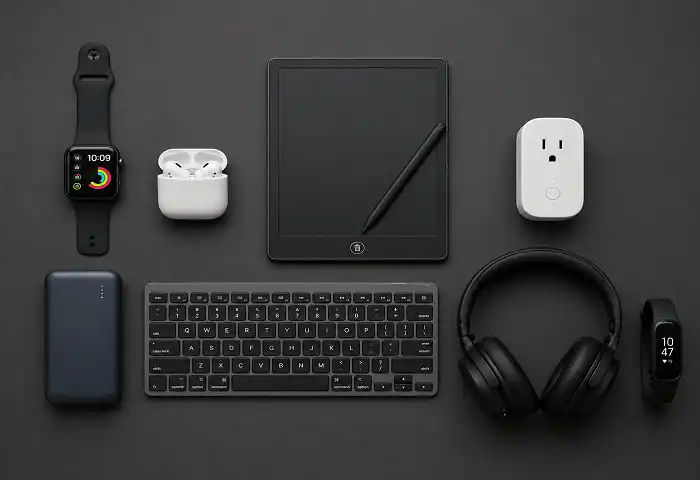
The gadgets world refers to the broad ecosystem of consumer electronic devices built for personal, home, or professional use. It includes everything from smartwatches and wireless earbuds to home automation hubs and digital writing tablets.
The term “gadget” typically describes a small, purpose-built device that performs a specific function. Most gadgets today connect to a smartphone, a cloud platform, or a local network.
Key Categories in the Gadgets World
Understanding categories helps you find what actually fits your life.
Smart Home Devices Smart home gadgets control lighting, security, temperature, and appliances through an app or voice assistant. Devices like smart plugs, video doorbells, and Wi-Fi thermostats fall here. If you want an overview of how smart home technology fits into modern households, the category has grown significantly in the last three years.

Wearable Technology Wearables sit on the body and collect health or activity data. Smartwatches track heart rate, sleep patterns, and step counts. Fitness trackers focus on movement and calories. Some devices now detect irregular heart rhythms and prompt users to seek medical attention.
Personal Computing Gadgets This category includes tablets, digital notepads, e-ink writing tablets, and laptop accessories. A digital writing tablet combines the feel of paper with cloud sync and is growing fast among students and professionals.
Kitchen and Home Gadgets Smart kitchen tools include air fryers with app control, smart scales, and connected coffee makers. These devices reduce guesswork in cooking and help manage portion sizes. Many kitchen gadgets for home cooks focus on saving time rather than adding complexity.
Portable and Travel Tech Portable chargers, compact projectors, noise-cancelling earbuds, and travel routers make up this segment. These gadgets solve problems on the move.
Productivity and Office Gadgets Ergonomic keyboards, document scanners, smart monitors, and focus timers help people work more effectively. Laptop gadgets that boost productivity are especially popular among remote workers.
How Gadgets Actually Work
Most modern gadgets rely on three core systems: a processor, sensors, and connectivity.
The processor handles computation. Sensors collect data from the environment (motion, temperature, light, touch). Connectivity, usually Bluetooth, Wi-Fi, or NFC, transfers that data to an app or cloud server.
Battery life, processing speed, and sensor accuracy determine how well a gadget performs its main job. According to IEEE, the integration of low-power Bluetooth chipsets has extended battery life in wearables significantly over the past five years.
What to Look for Before Buying a Gadget
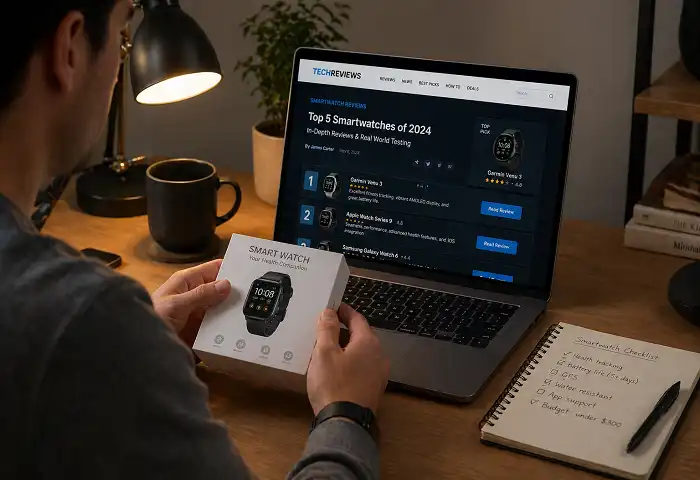
Not every gadget lives up to its marketing. Here is what actually matters:
- Compatibility: Does it work with your phone OS, existing smart home platform, or other devices?
- Battery life: Check independent reviews, not just manufacturer claims.
- Software support: Gadgets tied to discontinued apps become useless. Confirm the company actively updates its firmware.
- Build quality: Plastic vs. aluminium, IP ratings for water resistance, and warranty terms matter more than aesthetics.
- Data privacy: Smart devices collect data. Check what the company stores and whether it shares data with third parties.
Gadgets That Solve Real Problems vs. Gadgets That Don’t
Some gadgets genuinely improve daily life. Others look impressive in ads and disappoint in use.
Gadgets that tend to deliver: wireless earbuds with active noise cancellation, smart plugs, portable power banks, e-ink tablets for reading and writing, and ergonomic desk accessories.
Gadgets that often underdeliver: single-purpose kitchen tools with apps, smartwatches marketed primarily for notifications, and Bluetooth trackers with limited range.
The difference usually comes down to whether the gadget solves a problem you actually have. Cool gadgets worth buying are the ones that fit a genuine gap in your routine.
Safety and Privacy in the Gadgets World
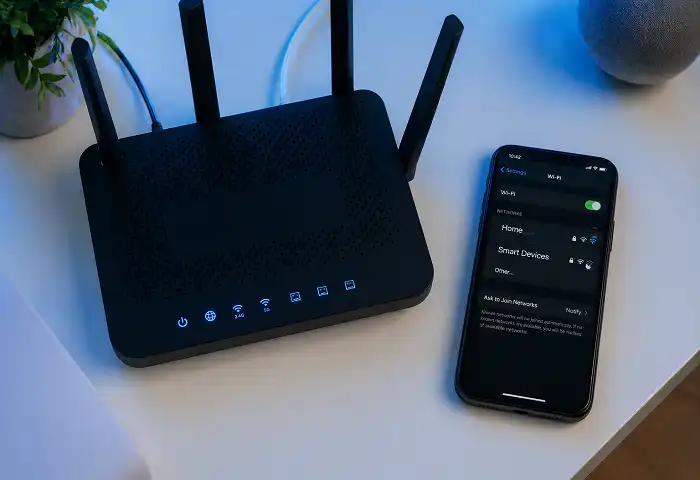
Smart gadgets connect to the internet, which creates real security risks.
Change the default password on any smart home device immediately after setup. Keep firmware updated. Use a separate Wi-Fi network (a guest network) for smart home devices so they stay isolated from your main computers and phones.
The U.S. Cybersecurity and Infrastructure Security Agency (CISA) publishes straightforward guidance on securing connected devices at home. Following basic steps there significantly reduces risk.
Trends Shaping the Gadgets World in 2026
Several shifts are changing what gadgets people buy and why.
AI integration is moving from novelty to utility. Gadgets now use on-device AI to personalize experiences, from adaptive noise cancellation to sleep coaching based on biometric trends.
Sustainability is becoming a purchase factor. Longer software support cycles, repairability scores, and rechargeable batteries built to last are influencing buying decisions more than before.
Modular design is growing. Some gadgets now let you swap components instead of replacing the entire device.
The gadgets and technology trends shaping 2026 reflect a clear shift toward longevity and practicality over novelty.
Common Mistakes When Buying Gadgets
Buying on specs alone. A higher number does not always mean better performance for your specific use case.
Ignoring ecosystem lock-in. If you buy entirely within one brand’s ecosystem, switching later gets expensive.
Skipping the return window check. Test gadgets during the return period. Many problems only appear after a few days of real use.
Overlooking ongoing costs. Some gadgets require subscriptions to unlock core features. Calculate the total cost over two years, not just the upfront price.
Conclusion
The gadgets world is wide, and not every device deserves space in your life. Focus on what solves a genuine problem, works with what you already own, and comes from a company that supports its products long term. That approach cuts through the noise and keeps your tech setup useful rather than cluttered.