
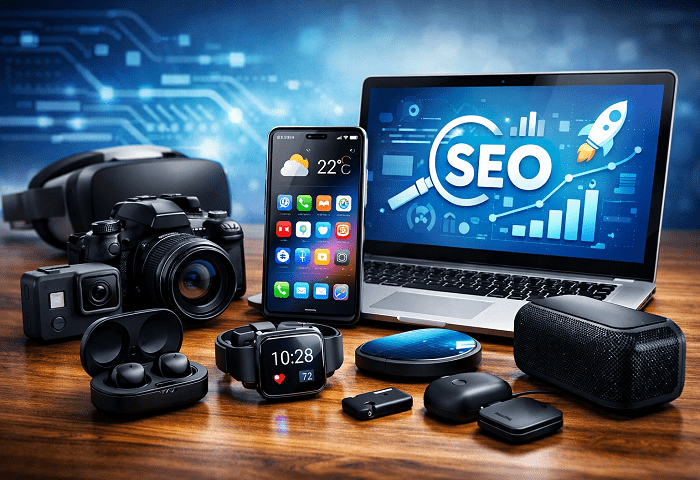
The world of technology never sleeps, and the gadgets now available in 2026 prove just how far we have come. From pocket-sized AI assistants to smart home systems that think ahead of us, the gadgets now entering our daily routines are rewriting the rules of convenience, productivity, and entertainment. Whether you are a tech enthusiast who follows every product launch or a casual buyer searching for practical tools, the gadgets now sitting on store shelves offer something exciting for everyone.
Over the past few years, the pace of innovation has accelerated dramatically. Voice-controlled kitchens, foldable phones, health-tracking rings, and AI-driven glasses are no longer concepts on a designer’s sketchpad. They are real products shipping to customers and changing how we live, work, and play. This blog post takes a deep look at the most talked-about consumer electronics, the trends shaping their evolution, and how you can make smart buying decisions without feeling overwhelmed.
By the time you finish reading, you will have a clear picture of what matters in the modern tech landscape, which categories are booming, and which smart devices deserve a spot in your everyday life. You will also learn how to separate genuine innovation from clever marketing, how to evaluate specs that actually matter, and how to plan purchases so you never feel regret after clicking the buy button. The tech world can feel noisy, but a little honest guidance goes a long way toward building a setup you actually love.
Let us explore this fascinating universe of innovation together and uncover which tools truly belong in your home, pocket, and office this year.
The Evolution of Gadgets Now in 2026
Technology has always moved forward, but the gadgets now hitting the market represent a genuine leap rather than a small step. A few years ago, smartphones dominated every tech conversation. Today, the spotlight has shifted to smart rings, augmented reality glasses, AI-powered earbuds, and foldable tablets that replace laptops entirely. This shift shows that consumers no longer want one all-purpose device. Instead, they prefer specialized tech gadgets that fit specific needs.
Manufacturers have listened, and many modern gadgets focus on solving a single problem rather than trying to do everything. A sleep-tracking ring, for example, outperforms most smartwatches when it comes to rest monitoring. A dedicated translation earbud works faster than any app. This specialization is one of the biggest reasons the gadgets now feel more useful in daily life.
Another key factor driving the evolution is sustainability. Many of the gadgets now launching come with recycled materials, modular parts, and longer battery lifespans. Brands understand that buyers want devices that respect the planet. As a result, the electronic devices designed in 2026 are greener, smarter, and built to last. Repair-friendly designs are also making a comeback, allowing users to swap out broken components instead of tossing the entire unit into a landfill.
Connectivity has reached new heights as well. The gadgets now sold in major stores usually support multiple ecosystems, meaning you can pair them with Apple, Google, or Samsung devices without friction. This open approach makes mixing brands far easier for modern households who rarely stick to a single logo. Matter and Thread protocols are quietly solving the old compatibility headaches that once forced buyers to pick sides, and the result is a far friendlier shopping experience for everyone.
Smart Home Gadgets Dominating the Market
Few categories have grown as fast as smart home technology. The gadgets now filling living rooms, kitchens, and bedrooms are designed to reduce effort and increase comfort. Smart thermostats learn your habits, robot vacuums map entire floors in minutes, and voice assistants control lighting, curtains, and music with a single command.
Among the smart home devices leading this space, smart displays stand out. These screens act as digital assistants, recipe holders, security monitors, and family calendars. Major brands continue to refine their designs, making these gadgets slimmer, clearer, and more responsive than ever. Some models even include built-in cameras for smooth video calls with loved ones.
Security has also seen major upgrades. The gadgets now protecting homes include doorbell cameras with facial recognition, smart locks that open through smartphones, and motion sensors linked to lights. These tools create layered protection without requiring professional installation. Homeowners appreciate how the gadgets now simplify what used to be complex systems that required expensive contractors.
Kitchens have benefited tremendously as well. From AI-powered ovens that identify food and suggest cooking times to smart fridges that track groceries and suggest recipes, the gadgets now available for cooking make meal preparation quicker and more enjoyable. Coffee machines connected to phone apps can brew your morning cup before your feet even touch the bedroom floor.
Ambient computing is another growing trend worth watching. Smart lighting strips, invisible speakers, and hidden sensors add intelligence without visible technology. This clean, minimalist approach attracts buyers who want function without clutter. As smart homes continue to evolve, the gadgets now in our houses will communicate with each other even more seamlessly, turning your home into a proactive partner.
The Wearable Technology Revolution
Wearable devices are perhaps the most personal category of modern tech. The gadgets now worn on wrists, fingers, ears, and even on clothing have become essential companions. Smartwatches lead the charge, with current models offering ECG readings, blood oxygen tracking, stress monitoring, and fall detection features. These innovative gadgets blur the line between fashion and function in exciting ways.
Smart rings have surged in popularity during the past two years. These tiny wearables track sleep, heart rate, temperature, and activity without the bulk of a watch. Users who want continuous health insights without a screen on their wrist find smart rings ideal. Brands like Oura, Ultrahuman, and Samsung compete fiercely in this space, pushing the gadgets now available to become more accurate and comfortable with every new release.
Smart glasses also represent a major breakthrough. The gadgets now available from Meta, Ray-Ban, and newer startups combine cameras, speakers, and AI assistants into fashionable frames. People use them for hands-free photography, real-time translation, navigation, and even short video calls. Although still developing, this category hints at a future where phones may become optional accessories rather than daily essentials.
Hearables, or smart earbuds, deserve special mention too. These gadgets offer noise cancellation, health tracking, and on-the-fly translation features that make them far more than just audio devices. Many also include spatial audio and adaptive transparency that respond to your environment automatically as you move between quiet offices and busy streets.
Fitness wearables remain popular as well. Whether it is a dedicated running watch, a posture corrector, or a smart scale that measures body composition, the gadgets now focused on fitness provide personalized coaching based on actual data rather than generic advice. Athletes and casual users both benefit, making wearables one of the most dynamic categories in tech.
Designers have also started blending style with substance in genuinely interesting ways. Leather-strapped hybrid watches, titanium frames, and ceramic bezels show that tech jewelry no longer has to look like plastic toys. Fashion-forward buyers can finally wear something that looks good in a business meeting and still tracks their marathon training on weekends.
AI-Powered Gadgets Now Changing Everyday Life
Artificial intelligence has moved from the cloud to physical devices, and the gadgets now using AI are everywhere. These tools do not simply run on algorithms; they learn from users, adapt to routines, and offer personalized suggestions. The gadgets now integrated with AI include translators, cameras, kitchen devices, and even toothbrushes that monitor your brushing technique.
AI-powered cameras have transformed photography completely. These smart devices automatically adjust exposure, recognize subjects, and enhance shots without any manual input from the user. Beginner photographers can now produce professional-looking images, while experts gain tools that speed up their workflow. Video recording has also improved, with real-time stabilization and noise reduction built directly into the gadgets now sold in 2026.
Language has become a huge AI playground. Translation devices and earbuds make cross-language conversations feel natural and spontaneous. The gadgets now handling translation support dozens of languages and even recognize regional dialects. Travelers, business professionals, and international students rely on them for smoother communication during meetings, trips, and casual encounters.
Home robots are another interesting development. Companion robots, autonomous lawn mowers, and pet feeders that adjust portions based on the animal’s weight are all finding loyal audiences. Some even provide emotional support, especially for elderly users living alone who value both assistance and company.
AI is also revolutionizing health technology. Devices that analyze skin conditions, check blood pressure, or detect early signs of illness are becoming mainstream. The gadgets now using medical-grade sensors allow users to monitor their health without constant doctor visits. This proactive approach keeps people healthier and reduces healthcare costs in the long run. As AI continues to grow more capable, these smart gadgets will quietly work in our favor every moment of the day.
Mobile and Portable Gadgets Now Trending
Mobility continues to matter in the world of technology. The gadgets now created for travelers, remote workers, and students focus on portability without sacrificing performance. Foldable phones have matured significantly, with stronger hinges, better displays, and improved cameras that rival traditional flagship models. This category has moved beyond novelty to become practical daily drivers for millions.
Tablets with laptop-level performance also deserve attention. Modern tablets replacing traditional computers come with full keyboard support, pen input, and desktop-grade operating systems. Creators, designers, and writers increasingly rely on these versatile devices for work and play. The line between tablet and laptop has almost disappeared in 2026.
Power banks have evolved dramatically as well. The gadgets now available in this category include solar panels, graphene batteries, and ultra-fast charging capabilities. Some models charge multiple devices at once, even full-sized laptops, making them lifesavers for frequent travelers and digital nomads who work from coffee shops, airports, and co-working spaces around the world.
Portable projectors, compact drones, and pocket-sized printers round out the list nicely. Creative design continues to shrink powerful technology into travel-friendly packages that fit in a small bag. Whether you need entertainment, productivity, or creativity on the go, the latest technology has you covered with sleek, lightweight options.
E-readers have also enjoyed a quiet renaissance. Modern e-ink tablets support handwriting, sketching, and color display, making them perfect companions for students and knowledge workers who want distraction-free reading. Travel accessories like smart luggage with built-in weighing scales, GPS trackers, and USB charging ports show how the gadgets now designed for journeys have grown beyond simple suitcases into intelligent travel partners that protect both your belongings and your sanity during long trips.
Health and Fitness Gadgets Now Gaining Popularity
Health awareness has fueled massive interest in wellness-focused technology. The gadgets now in this segment help users sleep better, exercise smarter, and track meaningful biomarkers. Continuous glucose monitors for non-diabetics, hydration trackers, and muscle recovery devices are changing how people approach self-care and long-term wellness.
Gym equipment has turned smart too. Connected treadmills, AI-guided strength machines, and virtual trainers bring the boutique fitness experience home. These tools deliver personalized workouts that rival expensive gym memberships, often at a fraction of the long-term cost. Home fitness has become one of the fastest-growing niches in consumer electronics.
Mental wellness gadgets are on the rise as well. Meditation headbands, sleep-inducing wearables, and stress-relief devices using breathing techniques are becoming popular with younger and older users alike. The gadgets now in this space prove that physical and mental health are both important pillars of modern living. Tracking mood, mindfulness minutes, and recovery scores helps users understand patterns they never noticed before, which leads to lasting lifestyle improvements over time.
Recovery tools deserve a mention too. Percussive massage guns, compression boots, and infrared therapy pads used to be reserved for professional athletes with big budgets. Today, these recovery devices are compact, affordable, and available to anyone who wants to bounce back from a tough workout. Even posture trainers that gently buzz when you slouch have become a common sight in home offices, helping remote workers avoid chronic back pain from long hours at the desk. Combined with simple habit trackers, these tools make healthier living feel natural rather than forced.
Gaming Gadgets Now Redefining Entertainment
Gamers have never had more choices than they do today. The gadgets now designed for gaming include handheld consoles, ultra-light headsets, haptic chairs, and ray-tracing-capable graphics cards that deliver cinema-quality visuals. Cloud gaming has matured, allowing players to stream titles on nearly any device with a strong internet connection.
Virtual reality has taken a major step forward as well. The gadgets now in the VR space are lighter, more comfortable, and far more affordable than early models. Mixed reality headsets blend the virtual and physical world, creating unique experiences for gamers, designers, educators, and even medical professionals practicing complex procedures.
Handheld gaming PCs have exploded in popularity. Devices like the Steam Deck, ROG Ally, and newer entrants give players console-level performance in portable form. With huge game libraries and long battery life, they appeal to both casual and hardcore users who want flexibility to play anywhere they happen to be.
Accessories have kept pace too. Customizable controllers with swappable thumbsticks, mechanical keyboards tuned for esports, and streaming microphones with studio-grade clarity have all become mainstream. The gadgets now sitting on a serious gamer’s desk would have cost a small fortune just a few years ago, yet today they come at surprisingly reasonable prices thanks to fierce competition among manufacturers eager to capture the booming gaming audience.
How to Choose the Right Gadgets Now
With so many options available, picking the right gadgets now can feel overwhelming for buyers. Start by identifying your real needs before browsing online. Are you looking for productivity, entertainment, health tracking, or something else entirely? Tech gadgets often overlap in features, so knowing your priorities saves both time and money.
Next, consider compatibility carefully. Devices offering cross-platform support make life easier, especially if you own products from different brands. Check battery life, build quality, and verified customer reviews before making a final decision. Reading hands-on reviews from trusted sources helps filter marketing hype from reality, which protects you from disappointing purchases.
Budget is another important factor. The gadgets now priced at flagship levels are not always the best choice for every user. Mid-range alternatives often deliver excellent performance without the premium cost. Keep an eye on seasonal sales, trade-in deals, and certified refurbished options to stretch your dollars further without compromising on quality.
Finally, think long-term when shopping. Products supported by regular software updates last much longer and feel fresh for years. Brands that commit to multi-year support offer better returns on your investment and reduce electronic waste at the same time.
Do not forget about accessories and ecosystem fit either. A phone is only as good as the charger, case, and earbuds that complete the experience. The gadgets now worth buying usually come with a healthy accessory market, plenty of third-party support, and active online communities where you can get real answers from actual users rather than polished marketing copy. Joining a forum or following a trusted reviewer can save you from expensive mistakes and introduce you to products you might never have discovered on your own. A little homework today prevents a lot of frustration tomorrow, and it often reveals hidden gems that flagship-focused coverage completely overlooks.
The Future of Gadgets Now and Beyond
What comes next is equally exciting to explore. The gadgets now launching today hint at an even more connected future just around the corner. Ambient AI, brain-computer interfaces, self-repairing batteries, and holographic displays are all in active development in labs around the world. Today’s cutting-edge technology will seem basic in just a few years.
Sustainability will continue influencing design choices. Expect upcoming products to feature biodegradable parts, modular repairs, and extremely long lifespans. Consumer demand is pushing manufacturers to rethink every aspect of production, from raw materials to packaging and end-of-life recycling.
Personalization will also deepen significantly. The gadgets now adapting to individual users will become even more intuitive, learning preferences without explicit input. Imagine a device that knows your mood, schedule, and goals and quietly adjusts itself to support you throughout the day without demanding attention.
Privacy and data ownership will become bigger conversation topics as well. As homes and wearables collect more personal information, consumers are pushing back against invasive data practices. Future hardware will likely process sensitive data locally on the device rather than shipping it to distant servers, giving users stronger control over their digital lives. Open-source firmware, transparent privacy policies, and clear opt-out controls will move from niche features to standard expectations, reshaping how trust is built between brands and buyers.
Conclusion
The gadgets now transforming our world offer a glimpse into a future where technology becomes invisible, intuitive, and deeply personal. From smart homes and wearable technology to AI-powered tools and gaming marvels, the choices are richer than ever before in human history. By focusing on what truly matters to you, comparing options carefully, and keeping an eye on future trends, you can build a tech ecosystem that enhances every part of your daily life.
The gadgets now shaping modern living prove that innovation is not slowing down anytime soon. It is only getting smarter, greener, and more human-centered with each passing year. Embrace the exciting tech revolution, stay curious about new releases, compare products with a critical eye, and step confidently into the next chapter of this remarkable journey. Your ideal tech setup is out there waiting, ready to make life easier, healthier, and more connected than you ever imagined possible.
Remember that the best technology is the kind you almost forget is there because it quietly works in the background and lets you focus on what matters most. Start small, grow your setup gradually, and choose products that genuinely solve real problems rather than simply looking impressive on a spec sheet. With a thoughtful approach, building a modern tech lifestyle becomes a joy rather than a chore.