
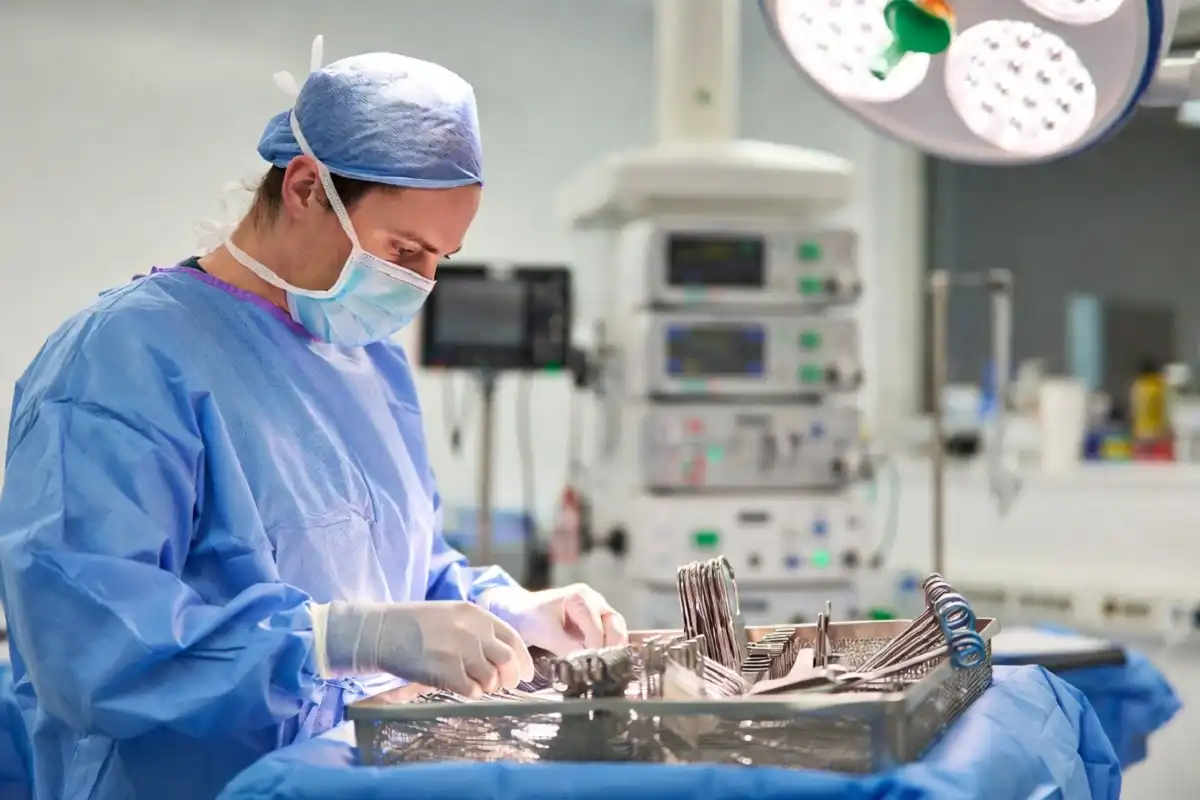
Surgical tech jobs sit at the center of modern healthcare. Surgical technologists work inside operating rooms, preparing equipment, assisting surgeons, and making sure every procedure runs smoothly. It is a hands-on, fast-paced career that combines technical precision with real patient impact. If you are looking for a healthcare role that does not require a four-year degree but still puts you at the heart of life-saving procedures, this career path deserves a close look. This guide covers everything from daily duties and certifications to salary ranges and advancement opportunities.
What Does a Surgical Technologist Do?
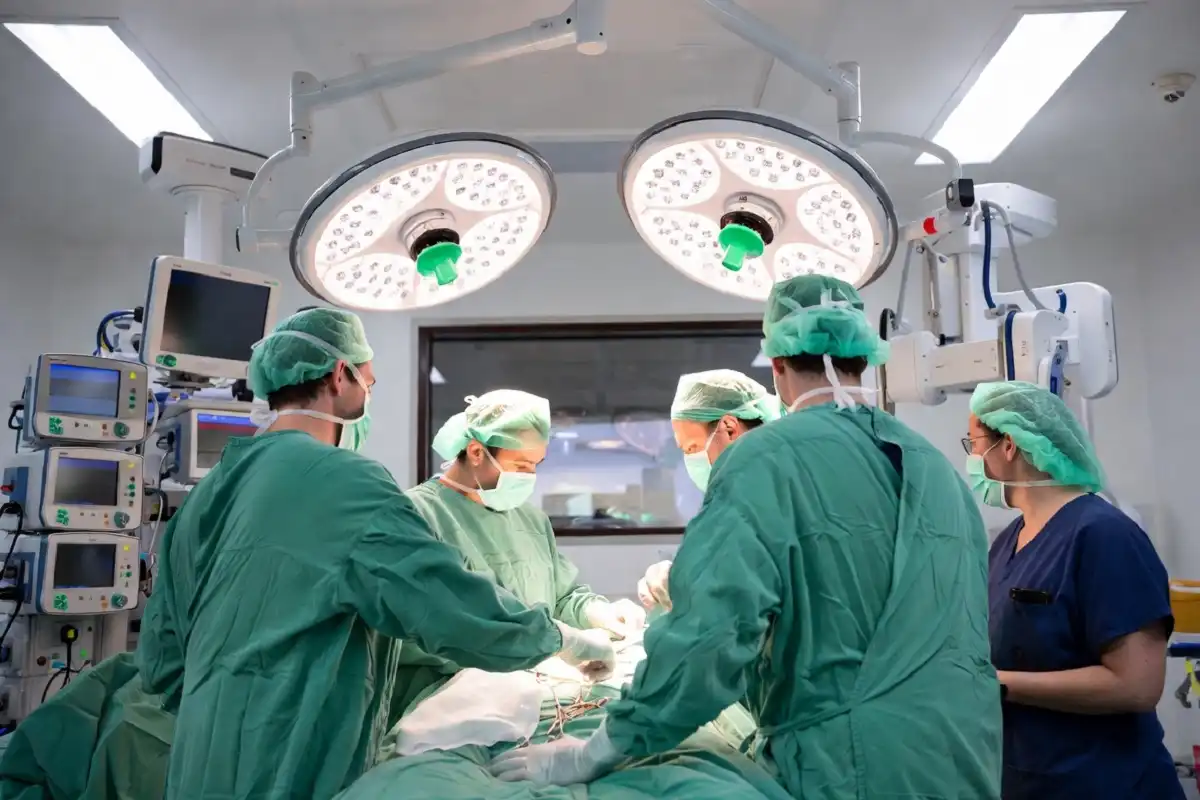
A surgical technologist, sometimes called a scrub tech or operating room technician, works as part of the surgical team during medical procedures. Their work begins before a patient enters the OR and continues through the final stages of a procedure.
Core Daily Responsibilities
The day-to-day responsibilities in this role include a wide range of tasks:
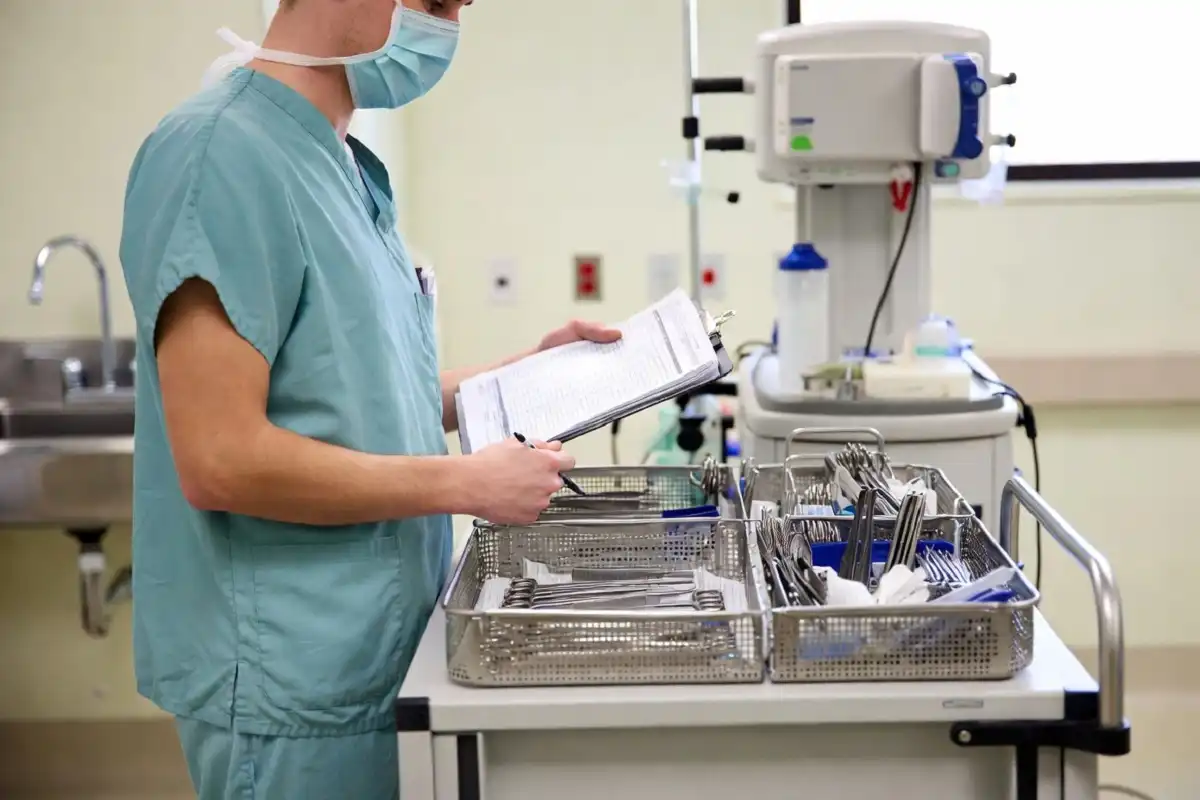
- Preparing and sterilizing surgical instruments before each procedure
- Setting up the operating room with the correct tools, equipment, and supplies
- Assisting surgeons by passing instruments during operations
- Maintaining a sterile field throughout the procedure to prevent infection
- Counting sponges, needles, and instruments before and after surgery
- Helping transfer and position patients safely on the operating table
- Cleaning and restocking the OR between procedures
The role requires sharp focus, physical stamina, and the ability to anticipate a surgeon’s needs without being prompted. No two operating days are exactly alike, which keeps the work engaging.
How to Qualify for Surgical Tech Jobs
Most candidates qualify through an accredited surgical technology program. These programs are typically offered at community colleges, vocational schools, and some universities.
Education and Training Requirements
Accredited Programs The standard path is a surgical technology associate degree or diploma program, which usually takes one to two years to complete. Programs combine classroom instruction with hands-on clinical rotations. Look for programs accredited by the Commission on Accreditation of Allied Health Education Programs (CAAHEP).
Certification While not always legally required, earning the Certified Surgical Technologist (CST) credential from the National Board of Surgical Technology and Surgical Assisting significantly improves hiring prospects. Most employers strongly prefer or require it.
Clinical Hours Most programs include a required number of clinical hours in real operating room settings. These hours give students direct exposure to live surgical cases before they graduate, which is a major advantage when applying for entry-level positions.
For those who enjoy technology-integrated careers and want to understand how smart tools are reshaping professional environments, the guide on tech sales roles, tools, and key tips offers a useful parallel look at how tech skills translate across healthcare and industry roles.
Surgical Tech Jobs: Salary and Work Settings
Compensation in this field depends on location, experience, specialty, and work setting. The field offers stable income and consistent demand.
Typical Work Environments
Surgical technologists work in several different settings:
- Hospitals – The most common employer, covering general and specialty surgeries
- Outpatient surgery centers – Faster-paced and focused on elective or same-day procedures
- Physician offices – Smaller settings with specific procedure types
- Military and government facilities – Consistent demand with structured benefits
- Travel surgical tech positions – Contract-based roles that move between facilities and often pay a premium
What to Expect in Terms of Pay
Entry-level positions in this field typically offer competitive starting salaries relative to the amount of training required. More experienced technologists, especially those with specialty certifications in areas like cardiovascular, orthopedic, or neurosurgery, earn noticeably higher compensation. Travel contracts can offer significant pay increases over staff positions, along with housing stipends and travel reimbursement.
Career Growth and Advancement in Surgical Technology
This career is not a dead end. The role offers clear pathways for those who want to specialize or move into leadership positions.
Paths to Advancement
Specialty Certification Technologists can earn additional credentials in specific surgical areas. Specialties like cardiovascular surgery, neurological surgery, and orthopedics require advanced skills and often come with higher pay.
Surgical First Assistant With additional education and certification, surgical technologists can advance to become Certified Surgical First Assistants (CSFAs). This role involves actively assisting the surgeon during procedures, not just passing instruments.
Educator or Program Coordinator Experienced technologists with teaching interest can move into faculty roles at surgical technology programs, helping train the next generation.
Healthcare Administration Some surgical techs use their OR experience as a foundation for moving into hospital operations, supply chain management, or perioperative services management.
For professionals who enjoy combining healthcare expertise with the latest tools and technology, the resource on smart gadgets for daily use in professional settings highlights how technology awareness is becoming a valued asset across all career paths, including healthcare.
Key Skills That Make You Stand Out
Beyond formal training, certain personal qualities and skills set strong candidates apart when applying for these positions.
- Attention to detail – Instrument counts and sterile field maintenance leave no room for error
- Communication skills – Clear, calm communication with surgeons and nurses is essential
- Physical endurance – Long procedures require standing for extended periods
- Adaptability – Emergency procedures and unexpected complications demand quick thinking
- Technical comfort – Modern ORs use advanced equipment, and comfort with technology matters
The Bureau of Labor Statistics Occupational Outlook provides regularly updated data on surgical tech employment trends, salary ranges by region, and projected job growth that candidates find useful when planning their career path.
How Technology Is Changing Surgical Tech Jobs
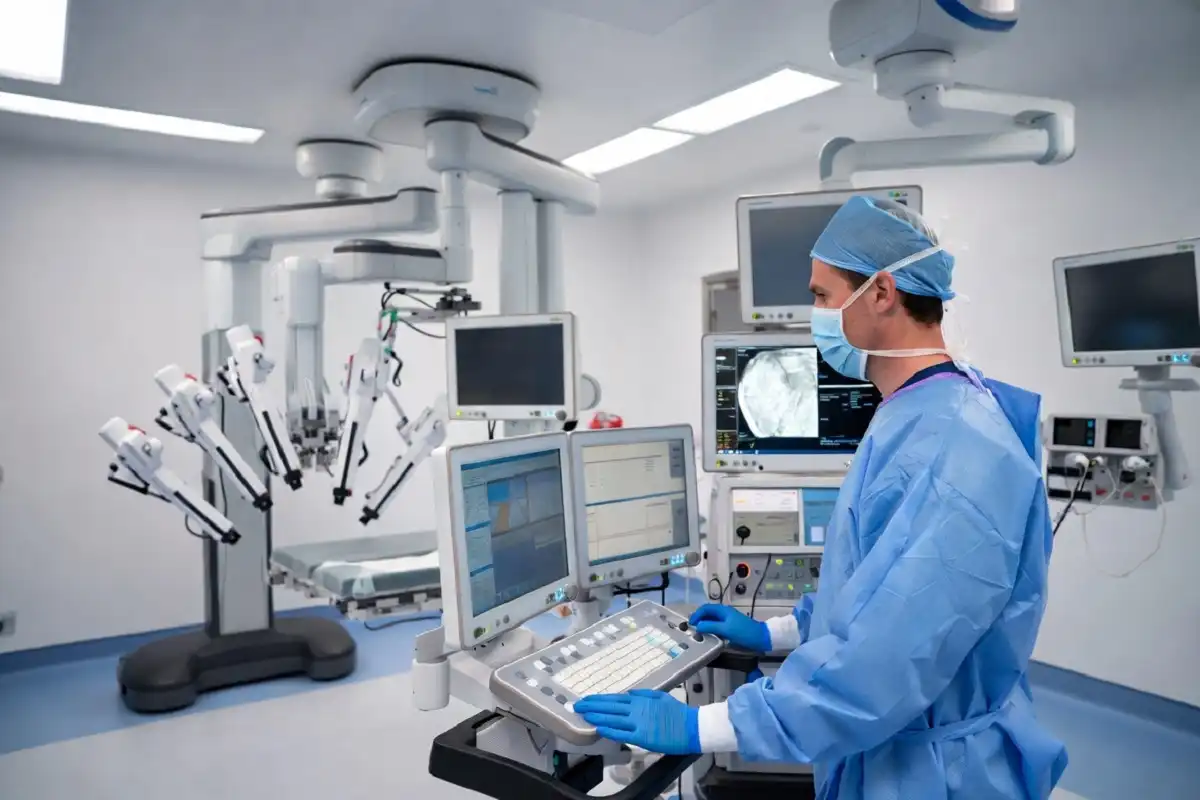
The operating room is not immune to technological change. Robotic surgery systems, advanced imaging, and electronic documentation have all shifted what surgical technologists need to know.
Tools and Tech Shaping the Modern OR
Robotic-assisted surgical systems like the da Vinci Surgical System require surgical technologists to understand how to set up, maintain, and troubleshoot robotic components. This is a growing area of specialization.
Digital instrument tracking systems have replaced manual paper counts in some facilities, requiring comfort with software and barcode scanning. Electronic health records also play a larger role in perioperative documentation.
Technologists who stay current with emerging OR technology are better positioned for higher-paying roles and specialty positions. Professional organizations like the Association of Surgical Technologists offer continuing education, standards of practice, and professional development resources to help technologists stay ahead of these changes.
For a broader look at how emerging technology is changing careers across industries, the guide on dream gadgets and tech trends for forward-thinking professionals offers perspective on where smart technology is heading next.
FAQs
What are surgical tech jobs exactly?
Surgical tech jobs refer to positions held by surgical technologists, also called scrub techs, who prepare operating rooms, sterilize instruments, and assist surgical teams before and during procedures in hospitals and surgical centers.
How long does it take to qualify for surgical tech jobs?
Most candidates complete a one- to two-year accredited diploma or associate degree program before entering the field. Adding certification time, most people are job-ready within two years of starting their training.
Do surgical tech jobs require a nursing degree?
No, this role does not require a nursing degree. The role has its own dedicated education pathway through accredited surgical technology programs, which are separate from nursing curricula.
What is the work schedule like for surgical tech jobs?
Schedules vary by employer. Hospital-based positions often include rotating shifts, weekends, and on-call hours because surgeries happen around the clock. Outpatient surgery centers typically follow more regular daytime hours.
Are surgical tech jobs in demand?
Yes, the field shows consistent demand across most healthcare markets. An aging population, advances in surgical procedures, and steady growth in outpatient surgery centers all contribute to ongoing need for qualified technologists.
Can surgical technologists work across different specialties?
Yes. While many surgical techs begin as generalists, experienced technologists often specialize in areas like orthopedics, cardiovascular surgery, or neurosurgery, which can increase both their job options and their earning potential.
Conclusion
Surgical tech jobs offer a meaningful and stable career path for people who want to work at the center of healthcare without completing a full medical degree. The training is focused, the demand is steady, and the career offers real room to grow through specialization, first assisting roles, or leadership positions. Whether you are just starting to explore healthcare careers or considering a switch from another field, surgical technology combines technical skill with genuine patient impact. Start by researching CAAHEP-accredited programs in your area and take the first step toward a rewarding career in the operating room.