
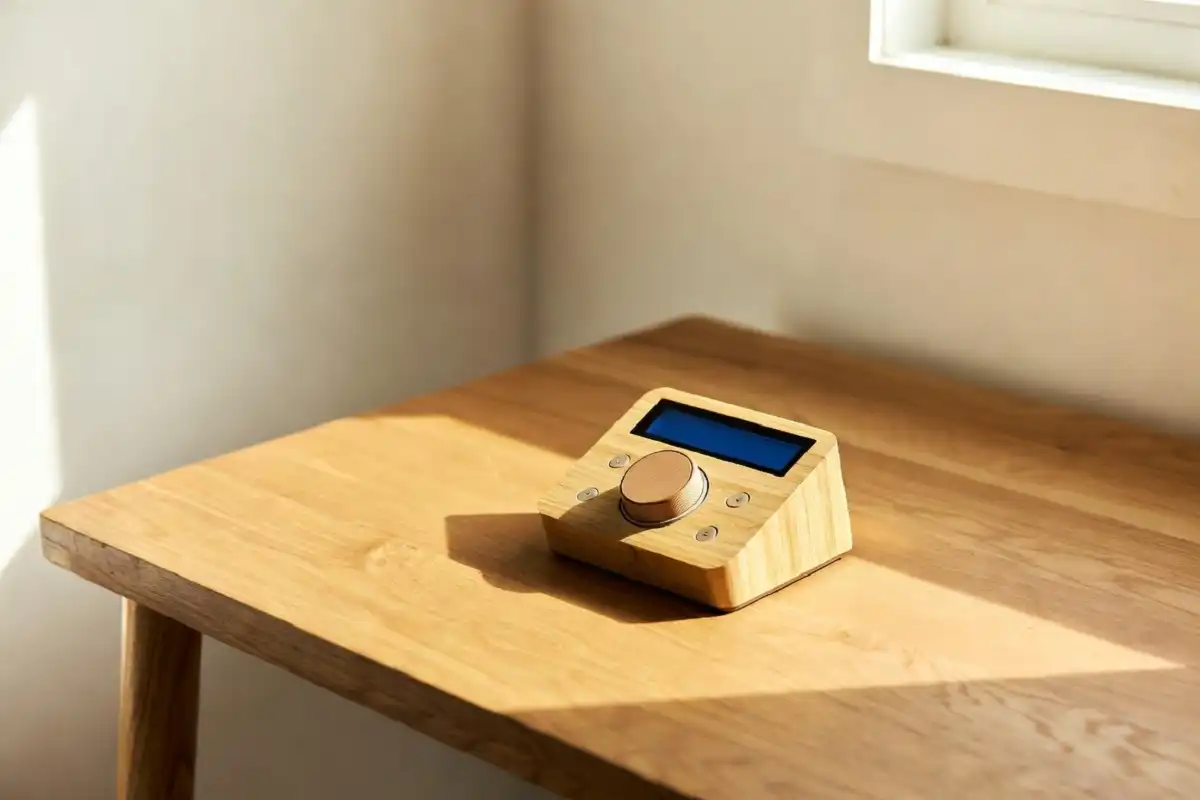
Technology and nature rarely seem like natural partners. But timber tech is changing that idea in a meaningful way. This growing field brings together the warmth of natural wood with the precision of modern gadget design. From smart home devices to eco-friendly accessories, timber tech products are becoming more popular with people who want functional tools without the heavy environmental cost. If you care about how your gadgets are made and what they are made from, timber tech is a space worth exploring right now.
What Is Timber Tech?
Timber tech refers to a category of technology products and innovations that use wood or wood-based materials as a core element in their design or manufacturing. It is not just about adding a wooden finish for looks. True timber tech focuses on structural use of wood, sustainable sourcing, and reducing the dependence on plastics and synthetic materials in consumer electronics and gadgets.
The term covers a wide range of products, including wooden phone cases, bamboo keyboards, wood-finished smart speakers, timber-framed wearables, and even experimental wooden circuit board housings. It also connects to the broader movement in construction and architecture, where engineered wood products like cross-laminated timber are used to build smart, energy-efficient structures.
At its core, timber tech is about rethinking what modern technology looks like and what it is made from.
Why Timber Tech Is Growing in Popularity
People Want More Sustainable Choices
Consumers are paying closer attention to the environmental impact of the products they buy. Plastic-heavy gadgets contribute to e-waste and pollution. Wood, when responsibly sourced, is renewable, biodegradable, and has a much lower carbon footprint during production.
According to the Food and Agriculture Organization of the United Nations, sustainably managed forests can act as carbon sinks while also supplying raw materials for products. Timber tech taps into this resource in a way that benefits both users and the environment.
Aesthetics and Durability Work Together
Wooden products have a timeless visual appeal. A bamboo keyboard or a walnut-finished Bluetooth speaker fits naturally into a home or office without looking out of place. Beyond aesthetics, many wood-based materials offer genuine durability. Bamboo, for example, is harder than many types of softwood and resists wear well in daily use.
It Stands Apart From Mass-Produced Plastic
Most gadgets look the same. Timber tech products often feel more personal. Woodgrain patterns are unique, meaning no two pieces are exactly alike. This gives timber tech an artisan quality that mass-produced plastic devices simply cannot replicate.
How Timber Tech Products Are Made
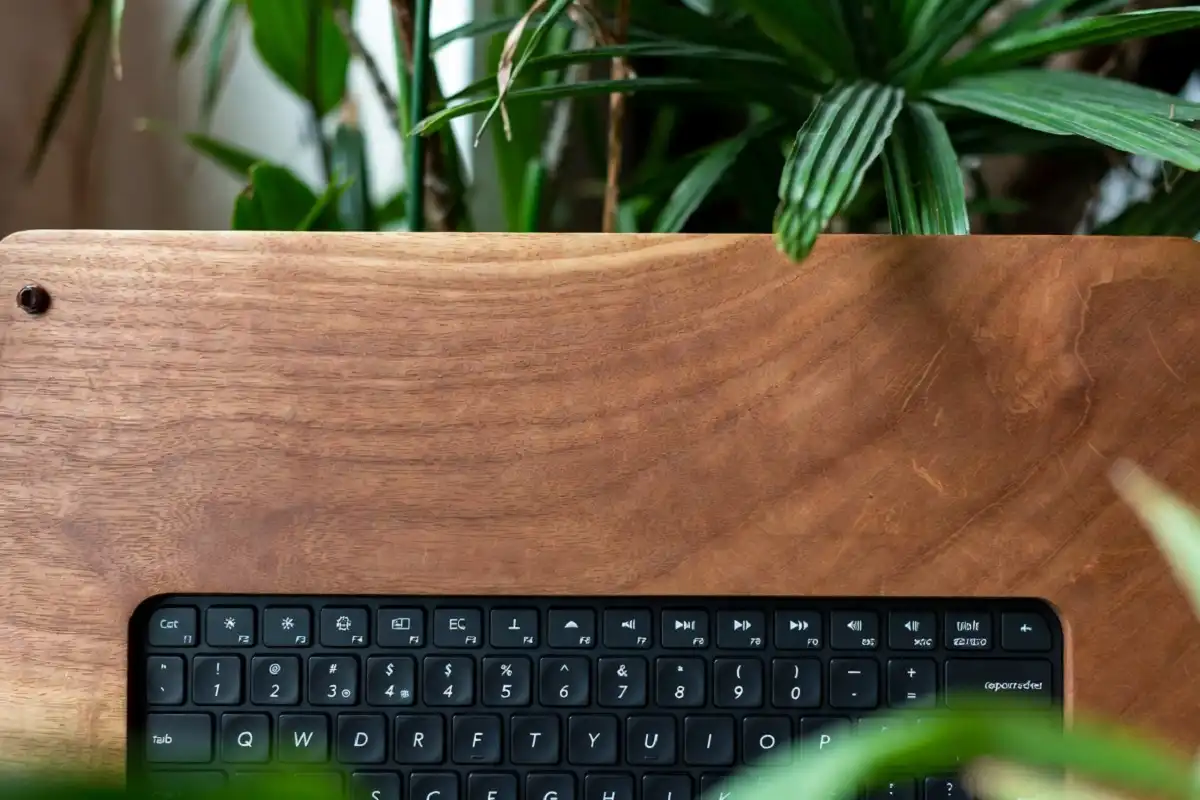
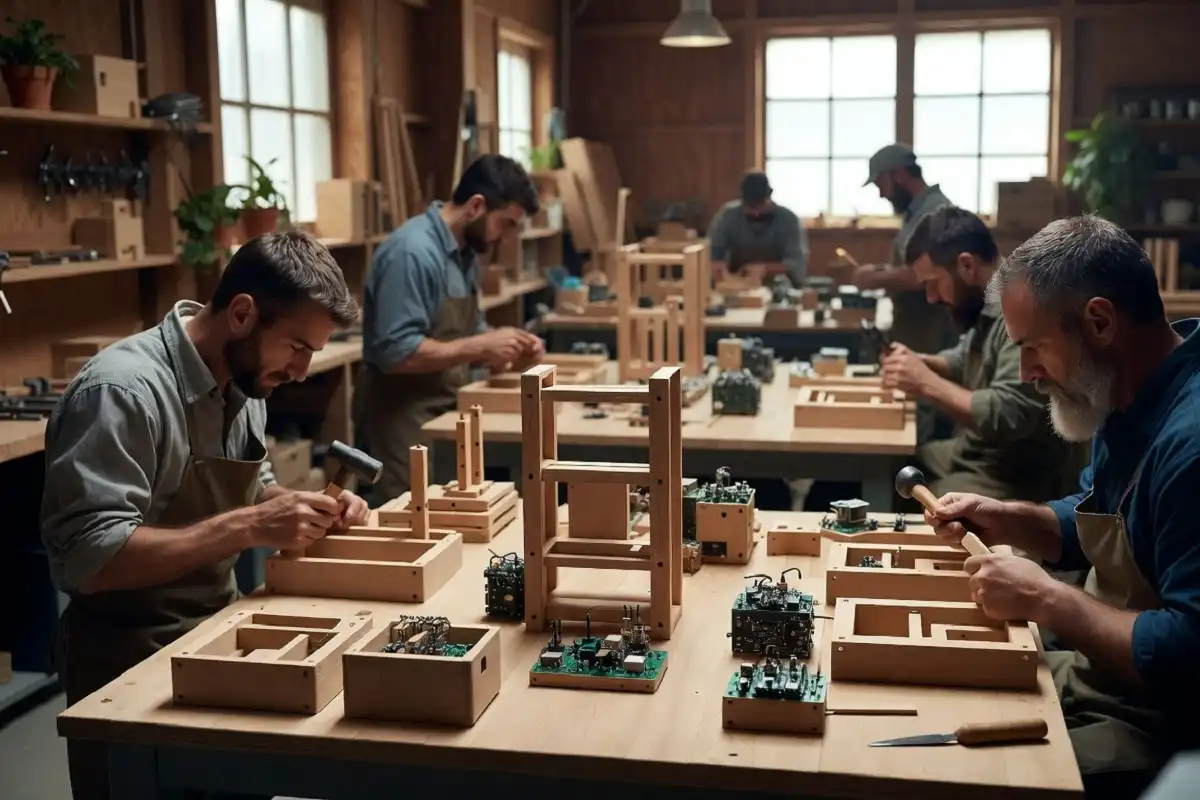
Timber tech manufacturing varies depending on the product type. For consumer gadgets and accessories, the process typically involves:
- Selecting sustainably certified wood or bamboo from managed sources
- Cutting and shaping raw materials using CNC machines for precise fits
- Treating wood with natural oils or non-toxic finishes to protect against moisture and wear
- Combining wood components with standard electronics, wiring, and circuitry
- Final quality checks to ensure both function and structural integrity
Some companies go further by using reclaimed wood, which gives a second life to timber that would otherwise go to waste. This approach lowers raw material demand even further.
For large-scale construction applications, engineered wood products such as glulam beams and cross-laminated timber panels are shaped under pressure and bonded with eco-friendly adhesives. These materials are then integrated into smart building systems that monitor energy use, temperature, and occupancy in real time.
Timber Tech in Everyday Life
You do not need to overhaul your entire setup to enjoy timber tech. Many products are easy to add to an existing workspace or home without any major changes.
Here are some common timber tech items available to everyday users:
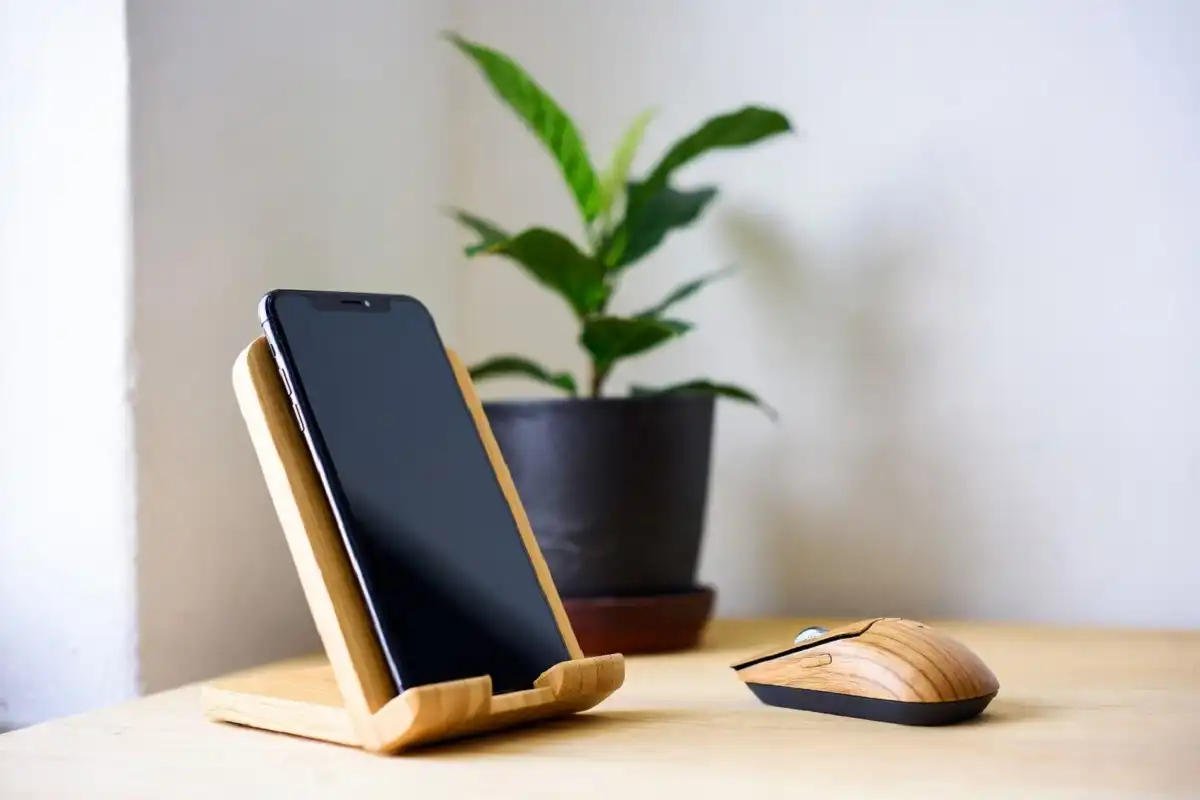
- Wooden phone stands and docks that hold devices upright while charging
- Bamboo keyboards and mouse pads that replace plastic equivalents on a desk
- Wood-finish wireless speakers that blend into living spaces naturally
- Timber-framed photo frames with digital displays for rotating photo slideshows
- Eco-friendly laptop sleeves made from cork or thin wood composite materials
If you already enjoy upgrading your setup with interesting tools, you might find inspiration in our guide to smart gadgets for daily use, which covers a range of practical options worth knowing about.
Timber Tech and the Smart Home
One area where timber tech is making a clear impact is the smart home. Wooden enclosures for smart speakers and hubs reduce the cold, clinical look that many electronics bring into living spaces. When a device blends into the room’s natural design, people are more likely to use it comfortably and consistently.
Beyond aesthetics, timber-framed smart building panels are being used in new construction projects across Europe and North America. These systems combine structural wood with integrated sensors that track air quality, temperature, and energy use. Buildings become more efficient and more comfortable at the same time.
If the idea of smarter, nature-connected living interests you, take a look at our roundup of the best solar gadgets for outdoor and home use, which pairs nicely with timber tech ideas for a more sustainable home setup.
Timber Tech vs. Traditional Electronics: A Quick Comparison
| Feature | Timber Tech Products | Standard Plastic Gadgets |
|---|---|---|
| Material source | Renewable wood or bamboo | Petroleum-based plastics |
| Environmental impact | Lower carbon footprint | Higher during production |
| Appearance | Warm, natural, unique | Uniform, manufactured look |
| Durability | Good with proper care | Varies by product |
| Repairability | Often easier to refinish | Usually not repairable |
| Cost | Slightly higher on average | Generally lower upfront |
What to Look for When Buying Timber Tech
Not every product labeled as “wood” is genuinely sustainable or well-made. Here are a few things to check before buying:
- Look for FSC (Forest Stewardship Council) or PEFC certification on the wood used
- Check whether the wood is structural or just a thin decorative veneer over plastic
- Read product reviews that mention durability over time, not just initial appearance
- Verify the finish used is water-based or natural oil rather than heavy chemical lacquers
- Consider whether the product can be repaired or refinished if it gets damaged
The FSC international website provides a useful search tool for finding certified brands and products, which takes the guesswork out of responsible purchasing.
Timber Tech for Work and Productivity
Timber tech is not just a lifestyle choice. It has real applications for people who spend long hours at a desk. Wooden wrist rests reduce fatigue better than hard plastic ones. Cork mouse pads provide a natural grip that synthetic materials do not always offer. A well-made wooden desk organizer keeps tools at hand without the clutter that cheap plastic options tend to create over time.
For people who want to upgrade their work environment thoughtfully, timber tech is one piece of a broader approach to building a space that supports focus and comfort. You can explore more ideas in this practical guide to best smart gadgets for men to upgrade daily life, which includes a range of desk and workspace tools.
FAQs
What does timber tech mean?
Timber tech refers to technology products and innovations that incorporate wood or wood-based materials into their design or structure. This includes consumer electronics with wooden casings, bamboo accessories, and smart building systems that use engineered wood alongside digital sensors.
Is timber tech actually eco-friendly?
Yes, timber tech is generally more eco-friendly than plastic alternatives, provided the wood comes from responsibly managed and certified sources. Wood is renewable, stores carbon, and biodegrades far more easily than synthetic plastics at the end of a product’s life.
Are timber tech products durable enough for daily use?
Most timber tech products designed for everyday use are treated and finished to handle regular wear. Bamboo in particular is known for its hardness and resistance to scratching. With basic care, timber tech accessories can outlast many plastic equivalents.
Is timber tech expensive?
Timber tech products do tend to cost a little more than mass-produced plastic versions. This reflects the cost of sustainable sourcing, skilled craftsmanship, and lower production volumes. However, many users find the durability and appearance justify the price difference over time.
Where can I buy timber tech products?
Timber tech products are available through online marketplaces, specialty eco-gadget stores, and directly from independent makers. Searching for FSC-certified brands or checking sustainability-focused tech retailers is a good starting point for finding quality options.
Conclusion
Timber tech is a practical and thoughtful response to the environmental pressures created by mass-produced electronics. It offers products that look good, perform well, and carry a lighter footprint on the planet. Whether you are looking for a bamboo keyboard, a wooden speaker enclosure, or a smarter way to build and furnish your home, timber tech provides options that are worth your attention. As more people seek out products that reflect their values, this category is only going to grow. Choosing timber tech is a small but meaningful step toward a lifestyle that balances modern convenience with genuine care for the world around us.