
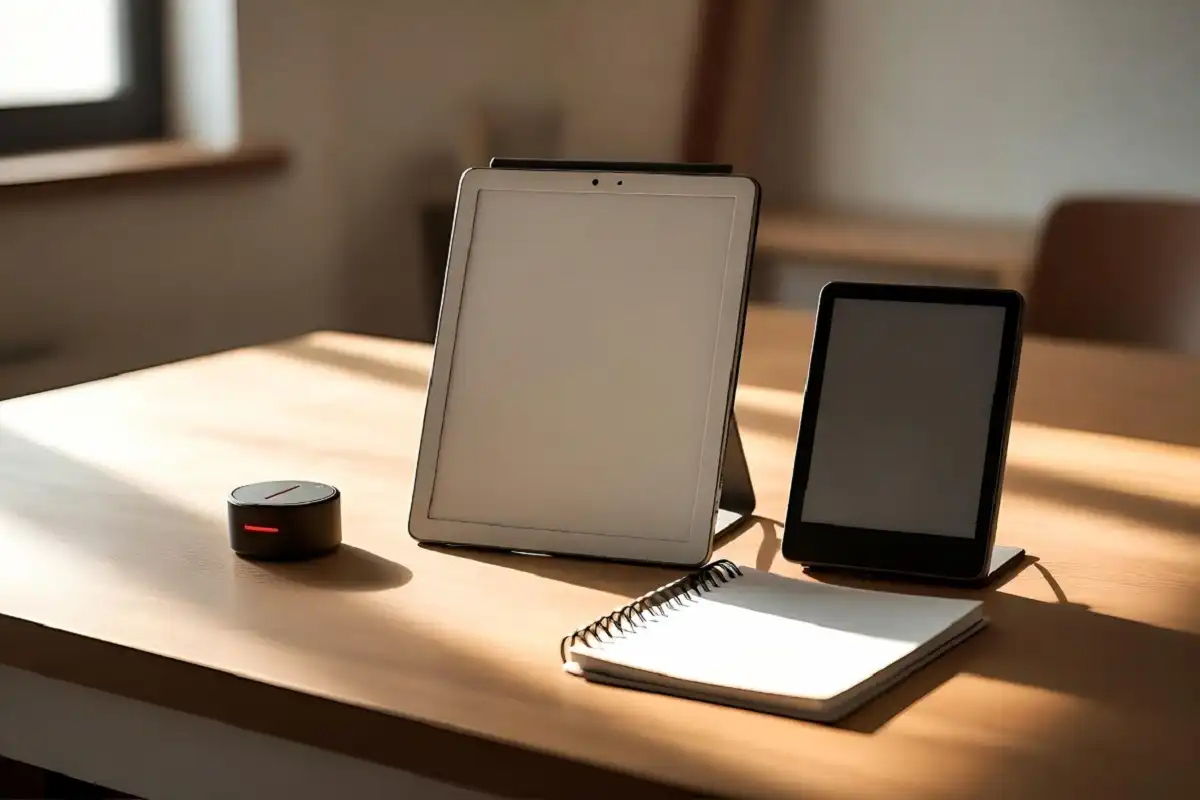
Most of us reach for a glowing screen far more often than we plan to. Notifications, endless feeds, and constant pings quietly eat into our hours. The good news is that the right tools can help. Tech gadgets that reduce screen time are designed to pull your attention away from bright displays and back into focused work, rest, and real life. In this guide, you will find practical devices that support healthier habits without forcing you to quit technology completely. The goal is balance, not deprivation.
Why Screen Time Reduction Matters
Long hours in front of bright displays affect sleep, posture, and concentration. Many people feel tired, distracted, and restless after a full day of scrolling.
Cutting back can bring real benefits:
- Better sleep quality and easier mornings
- Sharper focus during work and study
- Less eye strain and fewer headaches
- More time for hobbies, exercise, and people
Choosing tech gadgets that reduce screen time is one of the simplest ways to support these goals. Instead of relying only on willpower, you build an environment that gently nudges you toward better choices.
How These Gadgets Actually Help
The best tech gadgets that reduce screen time work in three main ways. They replace bright displays with calmer alternatives, they limit access to distracting apps, and they make healthier habits easier to keep.
A device that handles a single task well removes the temptation to multitask. A timer that sits on your desk keeps you accountable. A paper-like screen lets you read or write without the pull of social media. Each one chips away at unnecessary screen use.
Top Tech Gadgets That Reduce Screen Time
1. E-Ink Tablets and Writing Devices
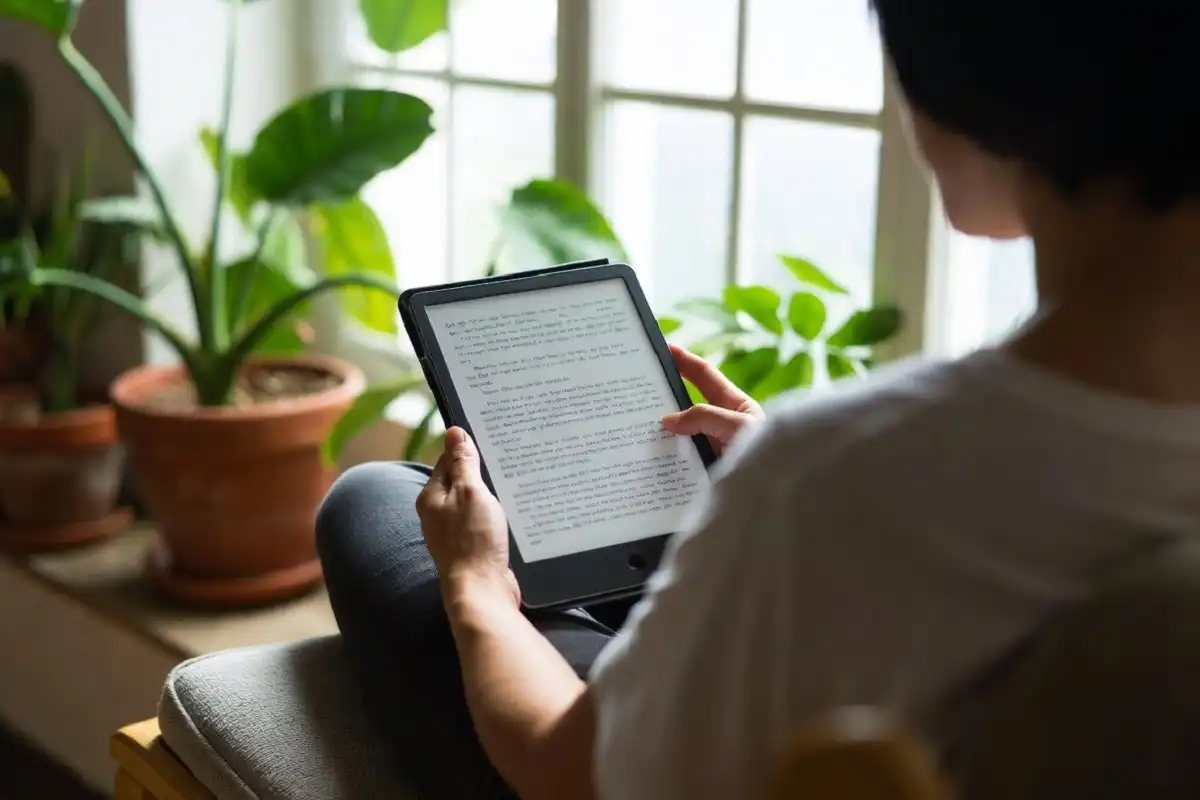
E-ink tablets are among the most effective tech gadgets that reduce screen time. Their matte, paper-like displays are easy on the eyes and free of glaring backlight.
These devices are built for reading and writing, not scrolling. You can take notes, draft ideas, and read documents without the constant interruptions of a typical tablet. Because they avoid app stores and feeds, there is little to distract you.
If handwriting matters to you, it helps to compare options carefully. This comparison of top note-taking devices is a useful place to start. You can also explore how display texture affects the experience in this guide to the right writing surface feel.
2. E-Readers
A dedicated e-reader is a quiet powerhouse. It holds thousands of books on a single screen that feels closer to paper than glass.
Unlike a phone, an e-reader does not buzz with messages or social alerts. You open it to read and nothing else. That focus makes it one of the gentlest tech gadgets that reduce screen time, especially for people who want to read more in the evening.
3. Smart Focus Timers
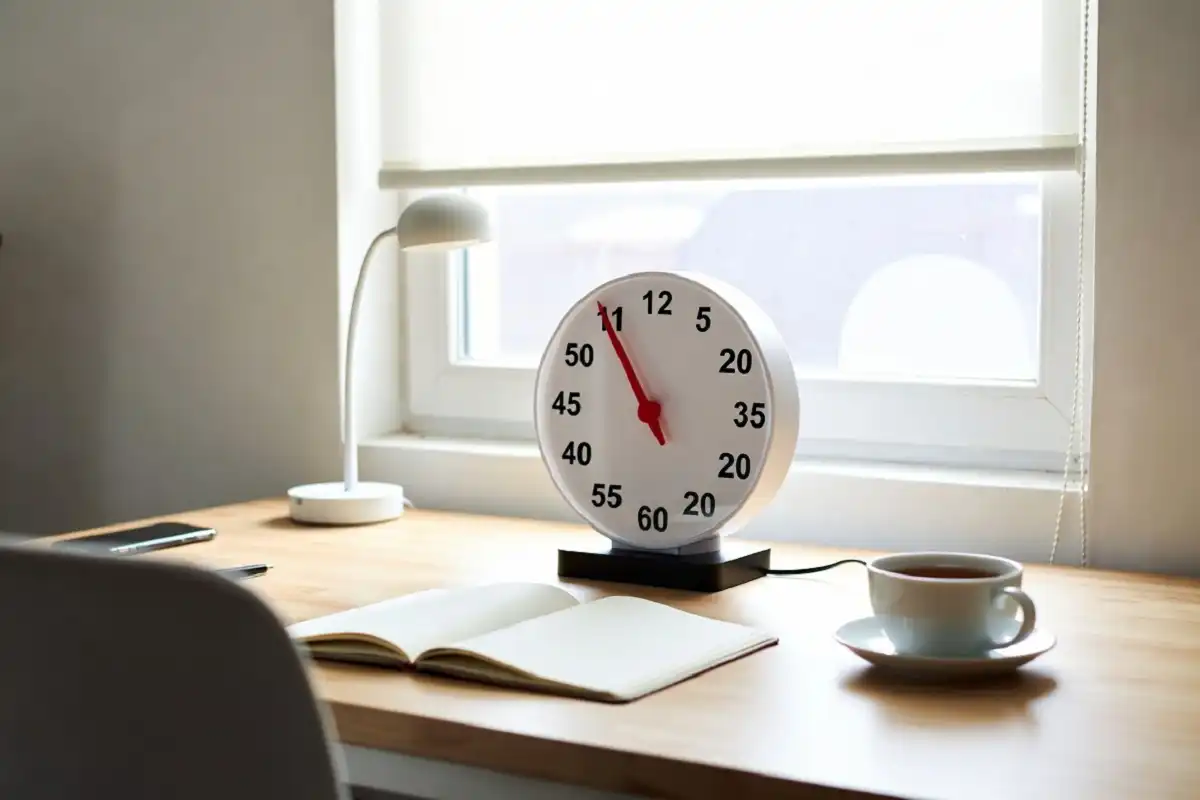
Physical focus timers bring structure to your day. You set a block of time, place the timer on your desk, and work until it ends.
Because the timer lives outside your phone, you avoid unlocking your device and falling into a feed. Many models use simple visual cues, like a shrinking colored disc, so you can see your remaining time at a glance.
These timers pair well with other tech gadgets that reduce screen time, creating a workspace built for concentration. For more ideas in this space, see this roundup of gadgets that support deep concentration.
4. Smartwatches With Minimal Notifications
A smartwatch can cut screen time when set up the right way. By sending only essential alerts to your wrist, it lets you skip the habit of pulling out your phone every few minutes.
You glance at a message, decide if it matters, and move on. There is no feed to fall into and no app waiting to grab your attention. Used carefully, a watch becomes a filter rather than another screen.
5. Smart Lamps and Analog Clocks
Replacing your phone alarm with a separate clock removes a major trigger for late-night scrolling. When your phone is not your alarm, it has no reason to sit beside your bed.
Smart lamps that mimic sunrise and sunset can also support better routines. A warm, dimming light in the evening signals rest and reduces the urge to reach for a bright display before sleep.
6. Standalone Audio Players and Speakers
Music, podcasts, and audiobooks do not need a screen. A simple audio player or smart speaker lets you enjoy them without staring at a phone.
This small swap frees your eyes and your attention. You can cook, walk, or relax while listening, which makes audio devices a quiet but valuable part of any set of tech gadgets that reduce screen time.
Building a Low-Screen Routine
Gadgets work best as part of a wider plan. A few habits help the hardware do its job.
- Keep your phone in another room while you work
- Use one device for one task whenever possible
- Set clear start and stop times for screens
- Charge devices outside the bedroom overnight
When you combine these habits with tech gadgets that reduce screen time, the change feels natural rather than forced. You are not fighting your tools. You are choosing better ones.
For a broader look at supportive devices, this guide to productivity-focused tech offers more options worth considering.
What To Look For When Buying
Not every gadget suits every person. Before you buy, think about your real habits and goals.
Consider these points:
- Purpose: Does it replace a screen or just add another one?
- Distraction level: Does it avoid feeds, ads, and endless apps?
- Ease of use: Will you actually keep using it?
- Eye comfort: Does it offer a softer, glare-free display?
The strongest tech gadgets that reduce screen time tend to do one thing cleanly and stay out of your way. If you prefer simple, clutter-free design, this list of minimalist tech picks pairs nicely with that approach.
The Health Angle
Reducing screen exposure is not only about productivity. It also supports your wellbeing. Research from groups such as the Mayo Clinic highlights how digital habits affect sleep, mood, and eye comfort.
Guidance from the World Health Organization also points to the value of balanced device use, especially for rest and activity. Choosing tech gadgets that reduce screen time gives you a practical way to put that advice into daily action.
FAQs
Do tech gadgets that reduce screen time really work?
Yes, they work well when matched to your habits. These devices succeed by removing distractions and replacing bright displays with calmer alternatives. An e-ink tablet, a focus timer, or a separate alarm clock each takes pressure off your phone, which makes lower screen use easier to maintain over time.
Which gadget is best for beginners?
A standalone focus timer is the easiest starting point. It costs little, needs no setup, and instantly adds structure to your day. Once you feel the benefit, you can add other tools like an e-reader or an e-ink tablet to build a fuller low-screen routine.
Can I reduce screen time without buying anything?
Yes, habits alone can help a great deal. Keeping your phone in another room, turning off non-essential alerts, and setting screen-free hours all reduce use at no cost. Gadgets simply make these habits easier and more consistent for many people.
Are e-ink devices good for the eyes?
E-ink displays are generally gentle on the eyes. They use reflected light rather than a harsh backlight, which many people find more comfortable for long reading and writing sessions. This is a key reason they appear so often among screen-reducing tools.
How long before I notice a difference?
Most people notice small changes within a week. Better sleep and slightly sharper focus often come first. Larger shifts in habits usually settle in over a few weeks as the new routine becomes natural and the gadgets become part of your day.
Conclusion
Cutting back on screens does not mean giving up technology. It means choosing tools that respect your time and attention. The tech gadgets that reduce screen time covered here, from e-ink tablets to simple focus timers, all share one goal. They help you look up from the glow and live more fully. Start with a single device, pair it with a few steady habits, and let the change build slowly. Over time, you may find your days feel calmer, clearer, and far more your own.