
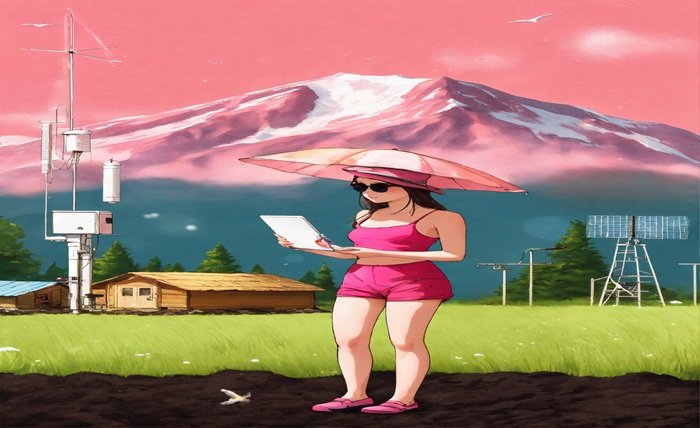
Global ecosystems, industries, and our everyday lives are all significantly shaped by the weather. As technology has advanced, “weather tech” has become a potent sector that employs cutting-edge instruments to forecast, assess, and adjust to shifting weather patterns. Weather technology is opening the door to a more knowledgeable and resilient future by improving catastrophe preparedness and providing accurate weather forecasts.
Weather Tech: What Is It?
The term “weather tech” describes the instruments and technologies created to track, forecast, and evaluate meteorological conditions. These developments include a wide range of sectors, including urban planning, aviation, agriculture, and meteorology. Weather tech offers real-time data that improve decision-making by utilizing satellites, artificial intelligence (AI), and Internet of Things (IoT) sensors.
Important Developments in Weather Technology
Cutting-Edge Weather Satellites
Current weather satellites, including NOAA’s GOES series, offer real-time data and high-resolution imagery. By keeping an eye on atmospheric patterns, ocean currents, and cloud forms, these satellites provide accurate weather forecasts and early warnings for severe weather conditions.
Weather Stations Powered by IoT
Hyper-localized temperature, humidity, and air quality data are gathered via IoT-enabled weather stations. Businesses and people can use these little gadgets to make customized decisions based on local weather conditions.
Learning and Artificial Intelligence
Weather forecasting is being revolutionized by AI and machine learning systems. Large datasets are analyzed by these technologies to find trends and make very accurate predictions. For example, AI-powered models outperform conventional techniques in predicting hurricanes and their courses.
Apps for mobile weather
Weather apps for smartphones have become essential resources. Many apps now include more than simply rain or sun predictions; they also provide pollen forecasts, radar images, UV index updates, and even user-specific climate advice.
Integration of Renewable Energy
In order to maximize renewable energy sources like solar and wind, technology is essential. By adjusting to changes in the weather, sensors, and prediction models guarantee that energy systems operate effectively.
Weather Technology Applications in Various Industries
Farming
Weather technology is used by farmers for precision agriculture, which aids in irrigation planning, soil moisture monitoring, and rainfall prediction. Better agriculture yields and resource conservation result from this.
Handling of Disasters
Weather technology-enabled early warning systems save lives during tornadoes, floods, and hurricanes. These resources enable authorities to successfully carry out evacuation preparations and minimize damage.
Transportation and Aviation
Weather is used by airlines and logistics firms to plan safe and effective routes, preventing disruptions from turbulence or storms.
Urban Design
City planners use weather to help create resilient infrastructure. Smart drainage systems, for instance, can manage high rainfall, lowering the possibility of urban flooding.
Weather Technology’s Future
With trends toward increased automation and connection, the future of technology appears bright. While international cooperation may result in unified solutions that handle climate concerns, innovations like quantum computing may further increase forecasting accuracy.
Conclusion
Weather technology is revolutionary because it bridges the gap between human readiness and unexpected weather. Using these technologies can protect our world, increase productivity, and save lives as our climate crisis worsens.
FAQs

What is weather technology used for?
To what extent are weather technology projections accurate?
Can weather aid in the fight against global warming?
Does weather technology include weather apps?