
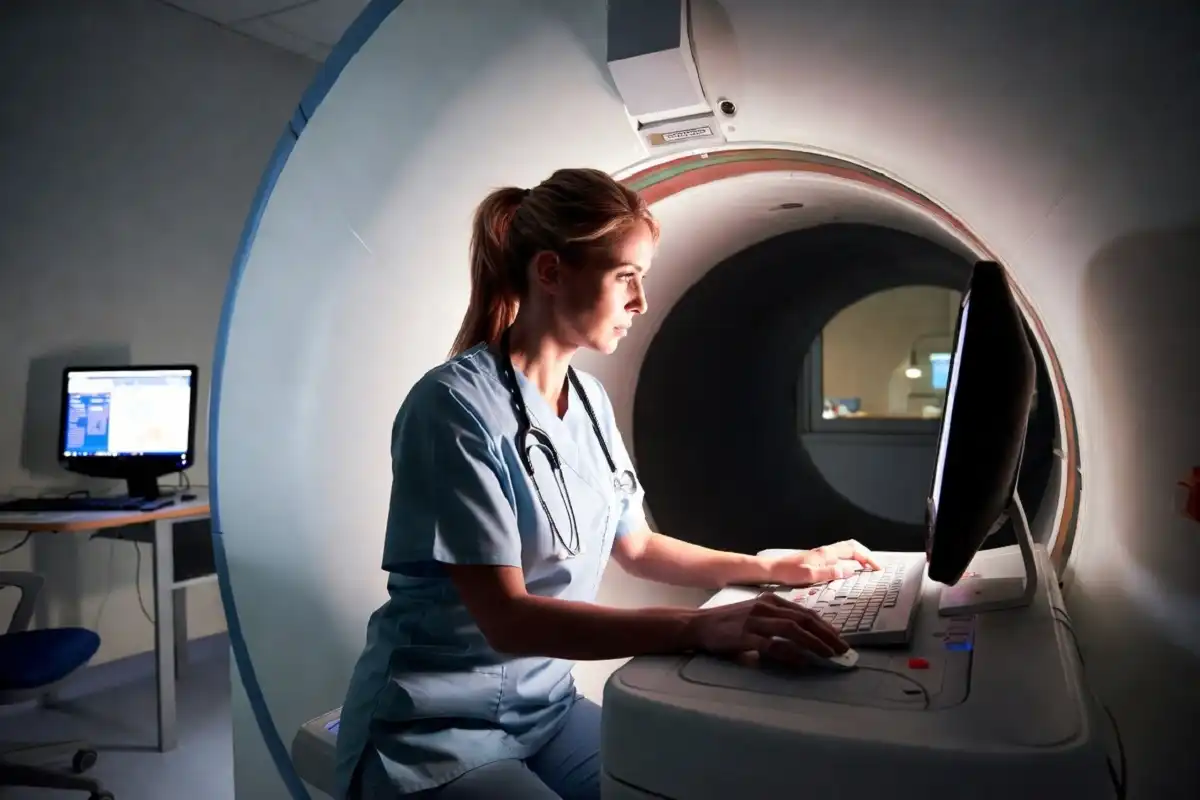
Radiology tech jobs are among the most reliable career paths in healthcare today. These roles sit at the intersection of patient care and medical technology, requiring both technical skill and a calm, professional manner. Whether you are just exploring healthcare careers or looking to make a deliberate switch, radiology offers clear entry points, recognized certifications, and strong long-term prospects. This guide covers what the work involves, the specializations available, what you can expect to earn, and the steps needed to get started.
What Radiology Tech Jobs Actually Involve
A radiologic technologist operates imaging equipment to produce diagnostic images used by physicians to identify injuries and diseases. The work is hands-on and detail-focused, and it requires direct interaction with patients throughout each shift.
On a typical day, a radiology tech prepares patients for procedures, explains what will happen, positions them correctly, and operates equipment such as X-ray machines, CT scanners, or MRI units. They also review images for technical quality before passing them to radiologists for interpretation.
The role demands physical stamina, attention to safety protocols around radiation, and the ability to work calmly with patients who may be anxious or in pain.
Types of Radiology Tech Jobs

Radiology is not a single job title. There are several distinct specializations, each requiring specific training and equipment knowledge.
Radiographer (X-Ray Tech)
This is the entry-level and most common role. Radiographers operate X-ray equipment to produce images of bones, joints, and internal structures. It is the standard starting point for most people entering the field.
CT Technologist
CT techs operate computed tomography scanners to produce detailed cross-sectional images of the body. This role typically requires additional training beyond general radiography and is common in hospital emergency and oncology departments.
MRI Technologist
MRI techs work with magnetic resonance imaging equipment, which does not use radiation. The training focuses on magnetic field safety and patient screening protocols. MRI positions tend to pay slightly higher than general X-ray roles due to the specialized knowledge required.
Mammography Technologist
These technologists focus specifically on breast imaging. The role requires additional certification and a particular sensitivity in patient communication, as many patients undergoing mammograms may be dealing with significant health concerns.
Interventional Radiography Tech
This specialization is one of the most procedure-intensive radiology tech jobs available. It supports minimally invasive procedures guided by imaging, often in cardiovascular or surgical settings, and is one of the more advanced and higher-paying paths in the field.
Nuclear Medicine Technologist
Nuclear medicine techs administer radioactive materials to patients and use imaging equipment to track how those materials move through the body. This highly specialized role requires dedicated certification and carries strong salary potential.
For readers exploring other healthcare technology careers, this breakdown of what surgical tech jobs involve, including pay and practical tips is a useful companion read.
Education and Certification Requirements
Most entry-level positions require an associate degree in radiologic technology, though some employers prefer or require a bachelor’s degree for advanced roles.
Accredited Programs
Programs accredited by the Joint Review Committee on Education in Radiologic Technology (JRCERT) are the recognized standard in the United States. Completing an accredited program is a prerequisite for most national certification exams.
ARRT Certification
The American Registry of Radiologic Technologists (ARRT) credential is the primary certification for the field. Most employers require it, and maintaining it involves ongoing continuing education requirements. Specialty certifications through ARRT cover CT, MRI, mammography, and other modalities.
State Licensing
Many states require separate licensing in addition to ARRT certification. Requirements vary, so checking the specific rules for the state where you plan to work is an important early step.
Salary and Job Outlook

Pay in radiology varies by specialization, location, employer type, and years of experience. General radiographers tend to earn less than CT or MRI technologists, who benefit from the additional training their roles require.
Hospitals typically pay more than outpatient imaging centers, though outpatient settings often offer more predictable hours. Travel radiology tech positions, which involve short-term contracts at facilities with staffing shortages, often carry significantly higher pay rates and housing stipends.
Key factors that affect earnings in this field include:
- Specialization (MRI and interventional techs generally earn more)
- Geographic location (urban and high cost-of-living areas tend to pay more)
- Work setting (hospitals vs. imaging centers vs. travel contracts)
- Experience level and additional certifications
- Shift differentials for evening, overnight, or weekend work
The Bureau of Labor Statistics tracks employment data for radiologic and MRI technologists, and their occupational outlook data is a reliable reference for current wage ranges and projected job growth figures.
Where Radiology Tech Jobs Are Found
Radiology positions exist across a wide range of healthcare settings. Knowing where to look and what each environment involves helps in targeting the right opportunities.
Hospitals
Hospitals are the largest employers of radiology techs. They offer the broadest range of imaging modalities and the widest variety of patient cases. Emergency and trauma centers run around the clock, which means shift work is common. Hospital roles often come with comprehensive benefits packages.
Outpatient Imaging Centers
Standalone imaging centers focus exclusively on diagnostic imaging. Hours are generally more regular than in hospitals, and the patient volume tends to be higher and more routine. These roles suit those who prefer a structured schedule.
Physicians’ Offices and Clinics
Some specialist practices, particularly orthopedic and urgent care clinics, employ radiographers for in-house X-ray services. These roles are typically less intensive than hospital positions and may suit those seeking a quieter clinical environment.
Travel Radiology
Travel radiology contracts are among the most flexible radiology tech jobs available, placing techs in facilities experiencing short-term staffing gaps, often for 13-week assignments. The pay premium is meaningful, and the experience of working in varied environments builds skills quickly. It suits those who can relocate or travel regularly.
Skills That Make a Strong Candidate for Radiology Tech Jobs
Beyond formal qualifications, certain practical skills consistently separate effective radiology techs from average ones.
- Patient communication: Explaining procedures clearly and managing patient anxiety directly affects image quality and patient experience.
- Technical precision: Positioning errors reduce image quality and can require repeat exposures. Accuracy matters from the start.
- Radiation safety knowledge: Understanding dose management and protection protocols is both a professional and ethical responsibility.
- Adaptability: Hospital environments are unpredictable. The ability to shift priorities quickly is valuable on any unit.
- Attention to documentation: Accurate record-keeping ensures images are correctly labeled, filed, and accessible for diagnosis.
How to Start Your Career in Radiology
Starting a career in this field follows a fairly consistent path, though the timeline varies depending on the level of qualification you pursue.
Starting with an accredited associate degree program typically takes two years. During this time, clinical rotations provide hands-on experience with actual patients and equipment. After graduation, passing the ARRT certification exam is the standard next step before applying for radiology tech jobs.
Building experience in a general radiography role before pursuing a specialization is the most common approach. It provides a broad foundation in patient care and imaging principles that makes advanced training easier to absorb.
Joining a professional organization such as the American Society of Radiologic Technologists (ASRT) provides access to continuing education, career resources, and networking opportunities. Their resources at asrt.org include career tools specifically aimed at both new graduates and experienced techs looking to advance.
FAQs
What qualifications do you need to work as a radiology tech?
Most positions require at least an associate degree in radiologic technology from an accredited program, followed by ARRT certification and any applicable state license.
How long does it take to become a radiology tech?
An associate degree takes approximately two years, including clinical rotations. Additional time is needed to prepare for and pass the ARRT certification exam before starting work.
Is demand strong for radiologic technologists right now?
Yes, demand for radiologic technologists is steady and expected to continue growing as the population ages and diagnostic imaging becomes more central to medical care across specialties.
What is the difference between a radiology tech and a radiologist?
A radiologist is a physician who interprets imaging results and makes diagnoses. A radiology tech operates the imaging equipment and produces the images that the radiologist then reviews.
Can people in radiology tech jobs specialize later in their career?
Yes, most specializations such as CT, MRI, and mammography are pursued after gaining initial experience as a general radiographer. ARRT offers post-primary certifications in each major modality.
Do radiology tech jobs require shift work?
In hospital settings, yes. Imaging is needed around the clock in many facilities, so evening, overnight, and weekend shifts are common. Outpatient imaging centers typically offer more standard daytime hours.
Conclusion
Radiology tech jobs offer a stable, well-compensated path for those drawn to healthcare and medical technology. The variety of specializations means there is room to grow in a direction that fits your interests and long-term goals. Starting with the right accredited program, earning your ARRT certification, and gaining experience in a clinical setting gives you a strong foundation. Whether you aim to specialize in MRI, pursue travel contracts, or build a long-term hospital career, the field rewards both technical skill and genuine care for patients.