
Introduction
Paper is one of the most essential materials in human civilization. From ancient scrolls to modern notebooks, Sheet has played a crucial role in communication, education, and creativity. Even in today’s digital era, Sheet continues to hold significance across industries and daily life.
This article explores the journey of Page, its types, uses, environmental impact, and future innovations. Whether you’re a student, professional, or simply curious, this guide will give you a deeper understanding of Sheet and its importance.
The History of Paper
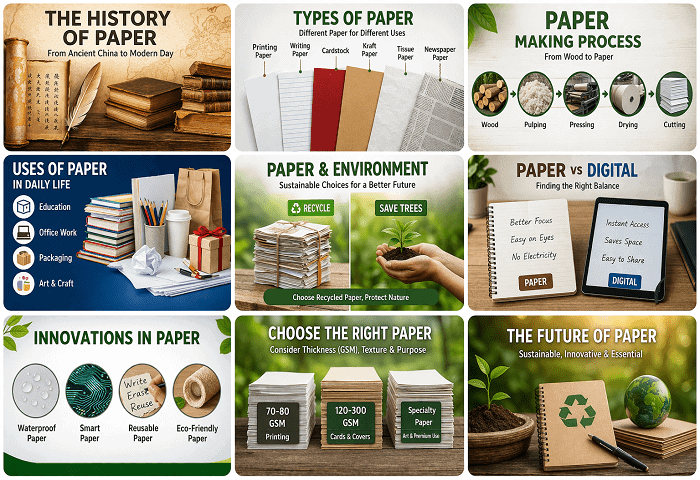
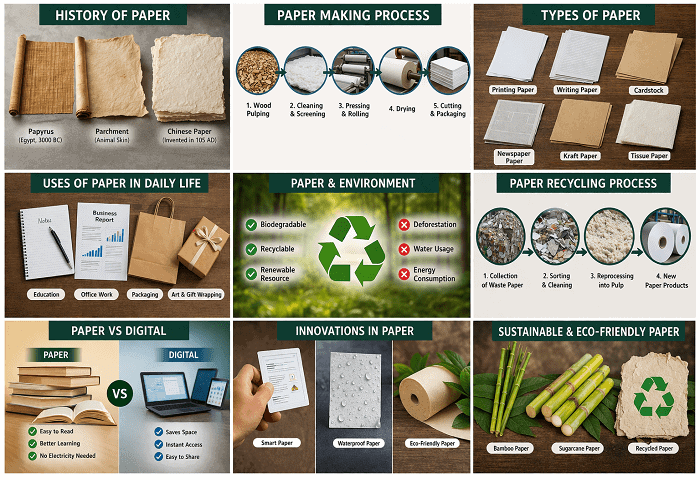
The story of Page dates back over 2,000 years. It was first invented in China during the Han Dynasty around 105 AD by Cai Lun. Early Sheet was made from mulberry bark, hemp, and old rags.
Before Page, people used materials like:
- Papyrus (Egypt)
- Parchment (animal skin)
- Bamboo strips (China)
The invention of Page revolutionized record-keeping and knowledge sharing. Over time, Sheet-making techniques spread to the Middle East and Europe through trade routes like the Silk Road.
By the 15th century, with the invention of the printing press by Johannes Gutenberg, Sheet became even more valuable. Books, newspapers, and documents could now be produced on a large scale.
What is Paper Made Of?
Sheet is primarily made from wood pulp, which comes from trees. The pulp consists of cellulose fibers that are processed and pressed into thin sheets.
Key components:
- Cellulose fibers – main structural material
- Water – used during processing
- Chemicals – for bleaching and strengthening
Modern Sheet production involves several steps:
- Pulping
- Cleaning
- Pressing
- Drying
- Finishing
Types of Paper
There are many types of Page, each designed for specific uses. Understanding these types helps in choosing the right Sheet for different purposes.
1. Printing Paper
Used in printers and photocopiers. Common examples include:
- A4 Sheet
- Copy Sheet
2. Writing Paper
Designed for handwriting. It is smoother and lighter.
3. Cardstock
Thicker and more durable than regular Page. Used for:
- Business cards
- Invitations
4. Newspaper
Lightweight and inexpensive. Used for mass printing.
5. Tissue Paper
Soft and absorbent. Used for hygiene and packaging.
6. Kraft Paper
Strong and durable. Common in packaging and shopping bags.
Uses of Paper in Daily Life
Despite digital advancements, Sheet remains widely used.
Education
Students rely on Page for:
- Notebooks
- Exams
- Assignments
Office Work
Businesses use Page for:
- Printing documents
- Reports
- Contracts
Packaging
Page-based packaging is eco-friendly and widely used:
- Boxes
- Bags
- Wrapping Sheet
Art and Creativity
Artists use Sheet for:
- Sketching
- Painting
- Crafting
Environmental Impact of Paper
Sheet production has both positive and negative environmental effects.
Negative Impacts:
- Deforestation
- Water pollution
- Energy consumption
Positive Aspects:
- Biodegradable
- Recyclable
- Renewable resource
Sustainable Practices:
To reduce environmental impact, industries are adopting:
- Recycled Page production
- Sustainable forestry
- Eco-friendly chemicals
Recycling Sheet
Recycling Sheet helps conserve natural resources and reduce waste.
Benefits:
- Saves trees
- Reduces landfill waste
- Conserves energy
Recycling Process:
- Collection
- Sorting
- Cleaning
- Reprocessing
Recycled Sheet is used in:
- Newspapers
- Packaging
- Tissue products
Paper vs Digital: Which is Better?
The debate between Sheet and digital media continues.
Advantages of Page:
- Easy to read
- No need for electricity
- Better for focus and retention
Advantages of Digital:
- Saves space
- Instant access
- Eco-friendly (in some cases)
Balanced Approach:
Many people prefer a hybrid approach—using Page for learning and digital tools for storage.
Why Paper Still Matters
Even in a digital world, Sheet has unique advantages.
Better Learning
Studies show that reading on Sheet improves comprehension.
Creativity Boost
Writing on Page enhances creativity and memory.
Accessibility
Page does not require devices or internet access.
How Paper is Manufactured
The Sheet manufacturing process is complex but fascinating.
Steps:
- Wood harvesting
- Pulping – breaking down wood into fibers
- Bleaching – making Sheet white
- Pressing & drying
- Cutting & packaging
Modern factories use advanced technology to produce high-quality Sheet efficiently.
Eco-friendly Page
Made from:
- Bamboo
- Sugarcane
- Recycled materials
Choosing the Right Sheet
Selecting the right Sheet depends on your needs.
Consider:
- Thickness (GSM)
- Texture
- Purpose
Examples:
- 70–80 GSM → printing
- 120–300 GSM → cards
- Specialty Page→ art
The Future of Paper
The future of Sheet is promising, especially with sustainability in focus.
Trends:
- Increased recycling
- Alternative raw materials
- Reduced environmental impact
Sheet will continue to adapt alongside digital advancements.
Conclusion
Page has been a cornerstone of human development for centuries. From ancient manuscripts to modern packaging, Sheet remains relevant and valuable.
While digital technology continues to grow, Sheet still offers unique benefits that cannot be fully replaced. With sustainable practices and innovation, the future of Sheet looks bright.
Understanding Sheet—its history, types, and impact—helps us appreciate its role in our daily lives and encourages responsible usage.